

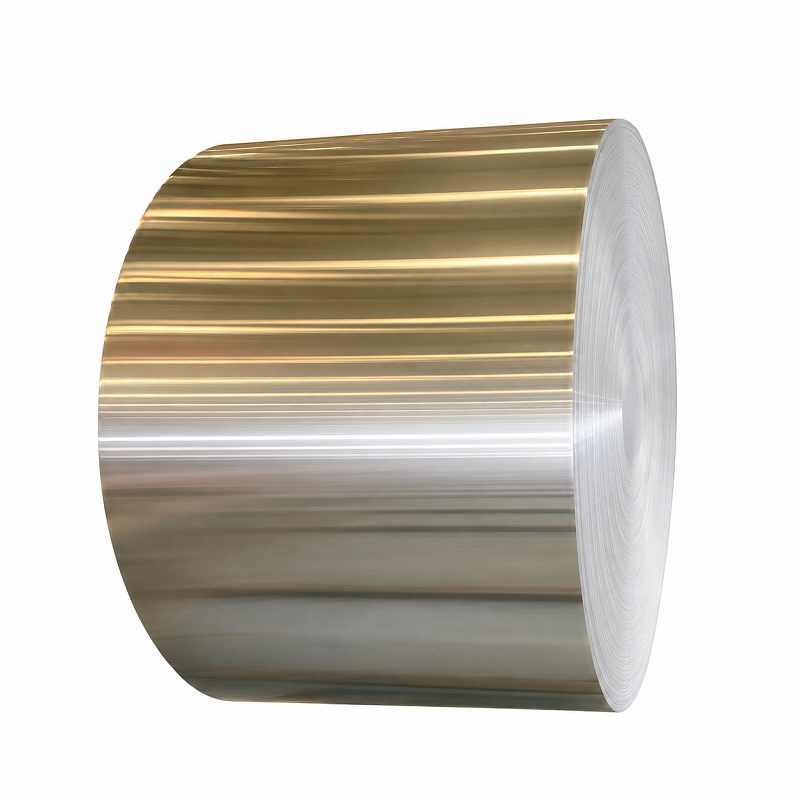
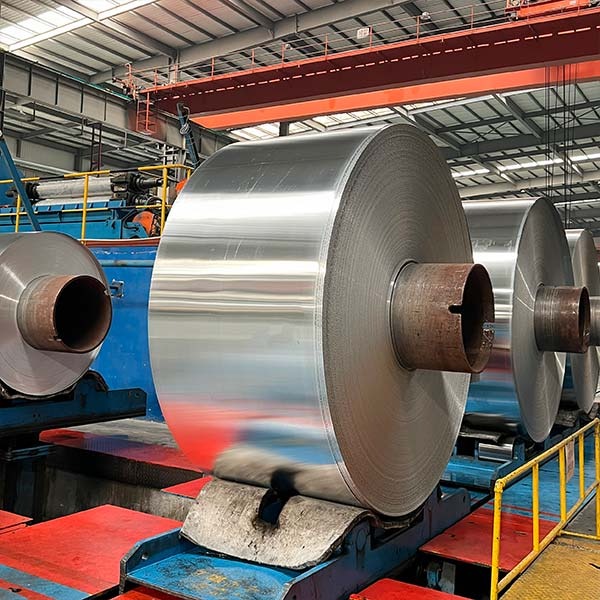
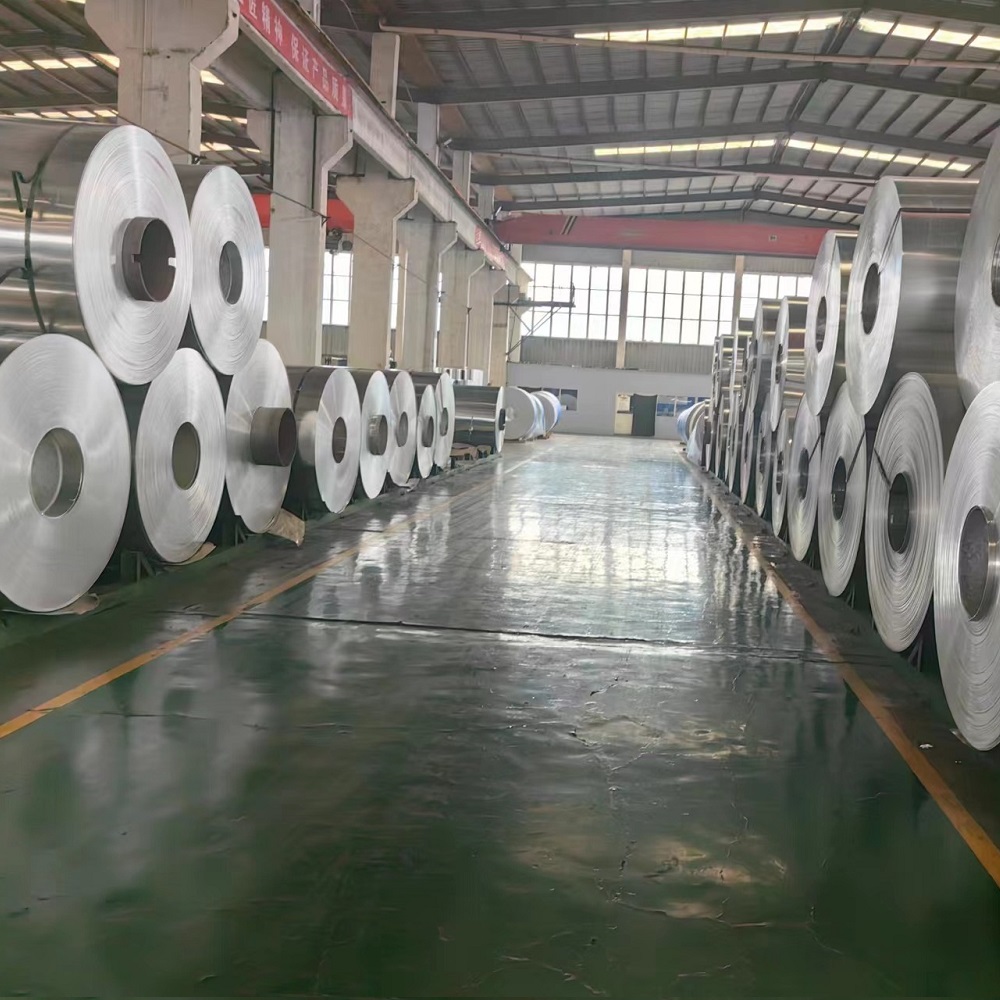
1050 aluminum coil belongs to the 1000 series commercial pure aluminum family with aluminum content above 99.5%. It offers excellent corrosion resistance, electrical conductivity, thermal conductivity, and formability.
The alloy performs reliably in slitting, roll forming, and stamping operations, making it suitable for high-volume production. It is widely used in electrical, insulation, reflective, and industrial applications where processing efficiency and consistent quality are important.
1050 aluminum coil combines conductivity, corrosion resistance, and excellent processing performance.
Key benefits include:
• High electrical conductivity
• Excellent thermal conductivity
• Good corrosion resistance
• Outstanding formability
• Suitable for continuous processing lines
1050 aluminum coil is widely used in applications requiring conductivity, corrosion resistance, and efficient processing.
Typical applications include:
• Electrical conductors
• Transformer winding
• Insulation cladding
• Reflective panels
• Lighting components
• Aluminum composite panels
• CTP and PS plate substrates
We supply aluminum coils in various alloys, thicknesses, widths, tempers, and coil weights to meet different project requirements. Precision slitting, cut-to-length processing, protective film application, and custom packaging services are available according to customer specifications.
Available with mill finish, color-coated, embossed, brushed, or PVC film-protected surfaces for construction, transportation, industrial manufacturing, electrical equipment, and OEM applications.
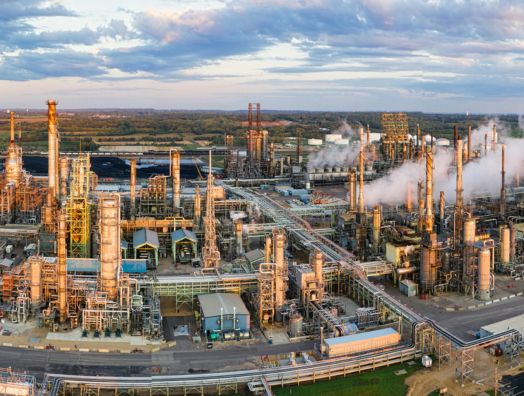
Our materials support a wide range of construction and infrastructure projects

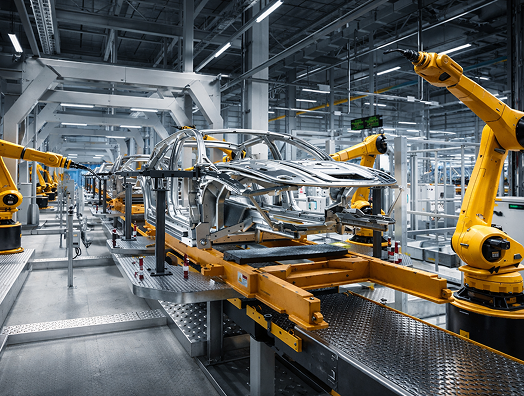


No. 1050 aluminum coil is a non-heat-treatable alloy. Its strength is achieved through cold working rather than heat treatment.
Both are high-purity aluminum alloys with excellent corrosion resistance and workability. Compared with 1050, 1060 has slightly higher aluminum content, while 1050 offers balanced performance for a wide range of industrial applications.
Yes. Its excellent ductility makes it suitable for deep drawing, bending, stamping, and other cold-forming processes.
It offers excellent resistance to seawater corrosion and maintains strength in humid and salt-rich conditions.
No. Strength is achieved through strain hardening rather than heat treatment.
Yes. It provides excellent weldability for structural fabrication.
Yes, it is commonly applied in tanks and pressure equipment.
Yes. It provides higher strength compared with most non-heat-treated aluminum alloys.
Yes. Thickness, width and temper can be adjusted based on project demand.
Get a fast, accurate quotation within 24 hours and secure reliable material supply for your next project.
Say something to start a live chat!