
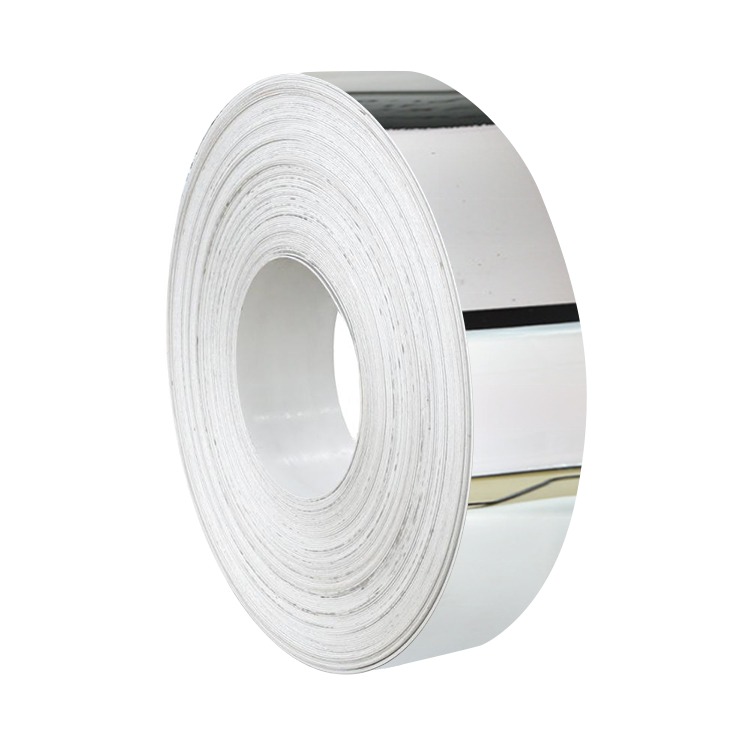
316L Stainless Steel Strip is the low-carbon version of 316 stainless steel, offering excellent corrosion resistance and enhanced weldability in chloride-rich and chemically aggressive environments. Its reduced carbon content helps minimize intergranular corrosion after welding, making it ideal for fabricated components and precision manufacturing applications.
Widely used in chemical equipment components, marine hardware, pharmaceutical equipment parts, and industrial applications requiring long-term corrosion protection.
316L stainless steel strip (also referred to as AISI 316L strip coil, UNS S31603 precision strip, or EN 1.4404 low-carbon steel strip) is an ultra-low carbon molybdenum-bearing austenitic stainless steel strip engineered for exceptional pitting corrosion resistance, superior deep drawing ductility, and high resistance to intergranular corrosion after welding. Containing a maximum carbon content of 0.03%, 316L stainless steel strips eliminate carbide precipitation in critical high-temperature and chemical environments.
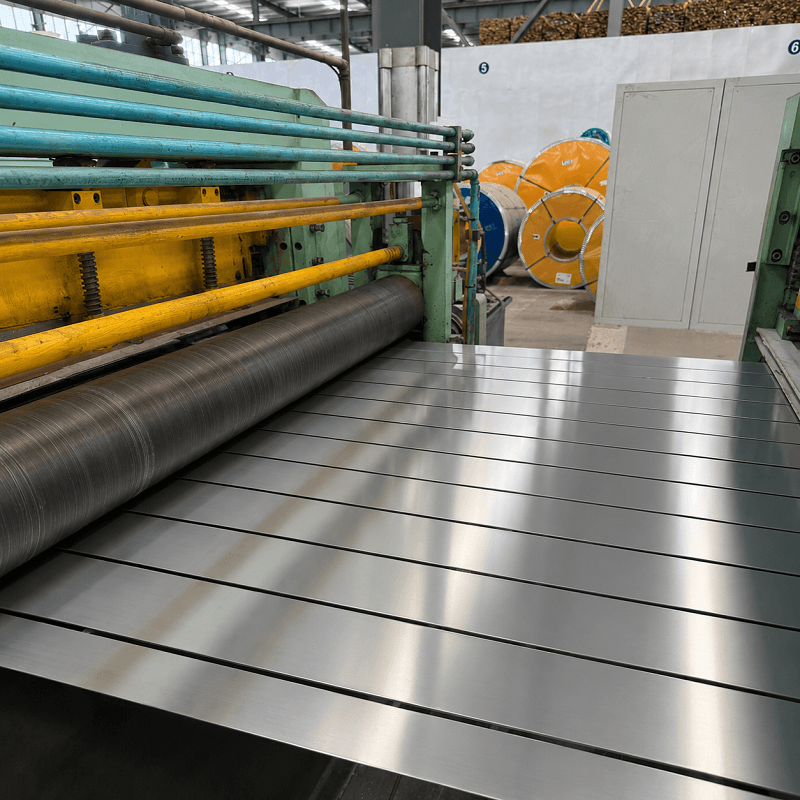
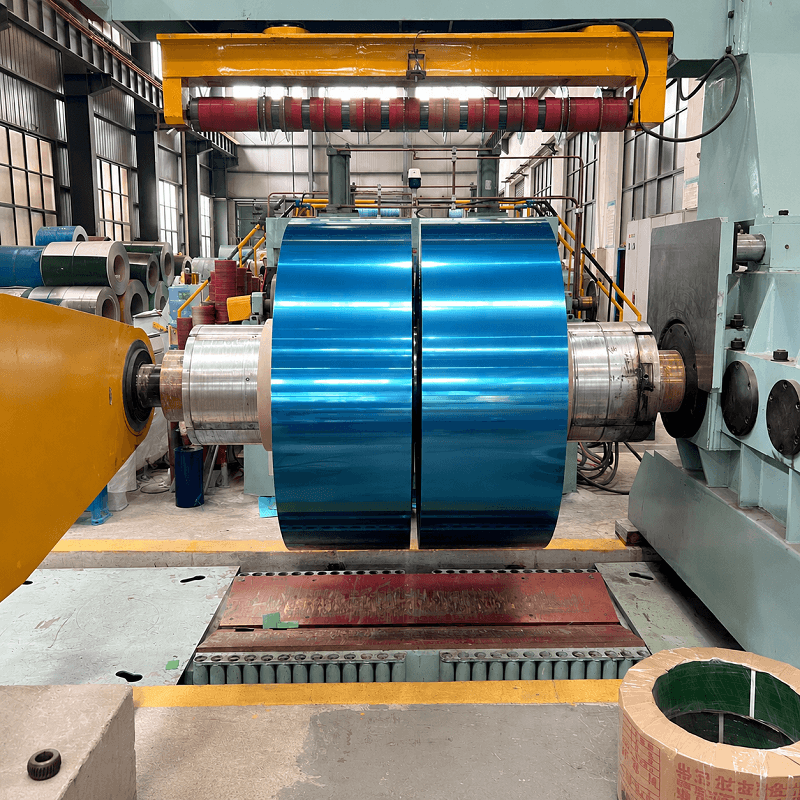
At XQJ Metal, we produce high-precision 316L stainless steel strips in thin gauges, foil tempers, and continuous slitting coil rolls. Manufactured in strict compliance with ASTM A240, ASTM A480, and EN 10088-2 standards, our low-carbon marine stainless strips feature mirror-smooth surface finishes, tight width slitting tolerances, and uniform tension levelling for precision stamping.
| Parameter | Standard Value / Specification |
| Material Grade | AISI 316L / UNS S31603 / EN 1.4404 / SUS 316L |
| Chemical Composition | Cr: 16.0–18.0%, Ni: 10.0–14.0%, Mo: 2.0–3.0%, C: ≤ 0.03% |
| Thickness Range | 0.05mm – 3.0mm (Precision Thin Gauge & Heavy Strip Coils) |
| Width Range | 5.0mm – 600mm (Custom Precision Slitting Available) |
| Edge Conditions | Slit Edge, Deburred Edge, Round Edge (R-Edge), Safety Edge |
| Tempers / Conditions | Soft Annealed, 1/4 Hard, 1/2 Hard, Full Hard, Extra Hard |
| International Standards | ASTM A240, ASTM A480, EN 10088-2, JIS G4305, ISO 9001 |
Q1: What is the main difference between 316 and 316L stainless steel strips?
A: The primary difference is the carbon content: 316L contains ≤ 0.03% carbon compared to up to 0.08% in standard 316. The lower carbon content in 316L prevents chromium carbide precipitation during welding, making it far more resistant to intergranular corrosion.
Q2: What precision slitting tolerances and edge options do you offer for 316L strip?
A: With modern CNC high-speed slitting lines, we achieve width tolerances as tight as ±0.05mm and thickness tolerances within ±0.005mm. Edge options include standard slit edges, deburred safety edges, and fully rounded (R-edge) profiles.
Q3: What is your Minimum Order Quantity (MOQ) for custom slit 316L stainless steel strip coils?
A: Our standard MOQ for custom slit strip dimensions is 200 kg. Standard warehouse coil widths can be dispatched in smaller trial batch quantities immediately.
If you require specific strip tempers, custom edge profiles, or technical datasheets, explore our full range of Stainless Steel Strip Products or Contact Our Sales Engineering Team directly for a fast factory quotation.
Our materials support a wide range of construction and infrastructure projects



316L stainless steel strip has a lower carbon content than 316, helping reduce the risk of intergranular corrosion after welding while maintaining excellent corrosion resistance. The appropriate grade should be selected according to the fabrication process and service environment.
316L stainless steel strip is commonly selected for precision components that require subsequent welding or long-term exposure to corrosive environments. The final material selection should be based on the fabrication method, application requirements, and operating conditions.
Yes. 316L stainless steel strip is widely used for precision components in medical devices, chemical instrumentation, food processing equipment, and other applications requiring excellent corrosion resistance and consistent forming performance.
It offers excellent resistance to seawater corrosion and maintains strength in humid and salt-rich conditions.
No. Strength is achieved through strain hardening rather than heat treatment.
Yes. It provides excellent weldability for structural fabrication.
Yes, it is commonly applied in tanks and pressure equipment.
Yes. It provides higher strength compared with most non-heat-treated aluminum alloys.
Yes. Thickness, width and temper can be adjusted based on project demand.
Get a fast, accurate quotation within 24 hours and secure reliable material supply for your next project.
Say something to start a live chat!