

C10200 Copper Bar is a high-purity oxygen-free copper material known for its exceptional electrical conductivity, thermal conductivity, and excellent fabrication performance. Its extremely low oxygen content provides enhanced reliability for demanding electrical and industrial applications.
Widely used in electrical equipment, power transmission components, vacuum devices, and precision industrial applications requiring high conductivity and material purity.
C10200 copper bar (also known as OFC copper bar, Oxygen-Free Copper C10200, or C10200 copper rod) is an ultra-pure oxygen-free copper alloy engineered for applications demanding maximum electrical conductivity, exceptional thermal transfer, and high resistance to hydrogen embrittlement. Containing at least 99.95% pure copper with extremely low oxygen levels, C10200 provides superior formability, excellent weldability, and outstanding ductility under critical vacuum and electrical environments.
At XQJ Metal, we manufacture and supply premium C10200 copper bars in round, square, rectangular, and hexagonal cross-sections. Produced in strict accordance with ASTM B187 and ASTM B170 standards, our oxygen-free copper rods undergo precision extrusion and cold drawing to deliver tight dimensional tolerances, smooth surface finish, and consistent mechanical properties.
| Parameter | Standard Value / Specification |
| Material Grade | C10200 / CDA 102 / OFC (Oxygen-Free Copper) |
| Copper Purity (Cu) | ≥ 99.95% (Oxygen Content < 0.001%) |
| Electrical Conductivity | ≥ 100% IACS – 101% IACS |
| Cross-Section Shapes | Round Bar, Square Bar, Rectangular Busbar, Hexagon Bar |
| Diameter / Dimension Range | 3.0mm – 250mm (Customizable Sizes Available) |
| Tempers Available | Soft Annealed (O60), Half Hard (H02), Hard (H04) |
| International Standards | ASTM B187, ASTM B170, ASTM B133, EN 13601, JIS C1020, ISO 9001 |
Q1: What is the main difference between C10200 and C11000 copper bars?
A: C10200 is oxygen-free copper (OFC) with less than 0.001% oxygen content, preventing hydrogen embrittlement during high-temperature welding or brazing in reducing atmospheres. C11000 is electrolytic tough pitch (ETP) copper containing small amounts of oxygen, suitable for general electrical wiring but susceptible to embrittlement when heated in hydrogen environments.
Q2: What electrical conductivity rating can be expected from C10200 copper rods?
A: Our C10200 copper bars consistently achieve an electrical conductivity rating of 100% to 101% IACS (International Annealed Copper Standard), ensuring minimal energy loss in high-power conductivity applications.
Q3: What is your Minimum Order Quantity (MOQ) for custom C10200 copper profiles?
A: Our standard MOQ for custom extruded C10200 sizes is 300 kg. Smaller sample quantities or trial batches can be supplied immediately for stocked dimensions.
If you require specialized bar dimensions, surface silver plating, or material datasheets, explore our full range of Copper Bar Products or Contact Our Sales Engineering Team directly for a fast factory quotation.
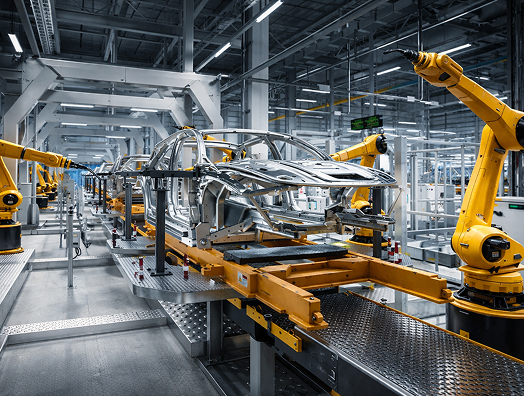
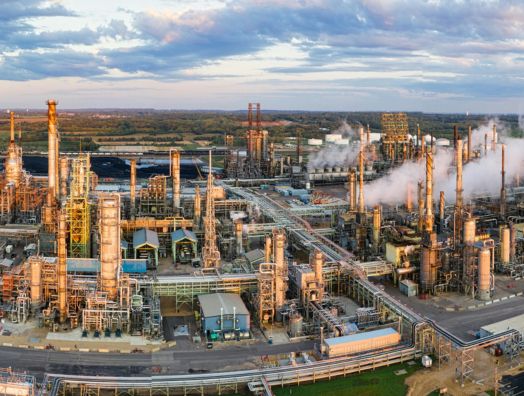
Our materials support a wide range of construction and infrastructure projects



C10200 copper bar is an oxygen-free copper alloy with lower oxygen content and higher purity than C11000. It is commonly selected for applications requiring excellent electrical conductivity, high thermal conductivity, and reliable performance in vacuum or high-temperature environments.
The oxygen content influences electrical conductivity, thermal conductivity, brazing performance, and suitability for vacuum or high-temperature applications. Oxygen-free C10200 copper bar is manufactured with extremely low oxygen content to meet demanding technical requirements.
Oxygen-free C10200 copper bar is commonly specified for vacuum equipment, semiconductor systems, induction heating equipment, high-frequency electrical components, and other critical applications where high conductivity, material purity, and long-term reliability are essential.
It offers excellent resistance to seawater corrosion and maintains strength in humid and salt-rich conditions.
No. Strength is achieved through strain hardening rather than heat treatment.
Yes. It provides excellent weldability for structural fabrication.
Yes, it is commonly applied in tanks and pressure equipment.
Yes. It provides higher strength compared with most non-heat-treated aluminum alloys.
Yes. Thickness, width and temper can be adjusted based on project demand.
Get a fast, accurate quotation within 24 hours and secure reliable material supply for your next project.
Say something to start a live chat!