

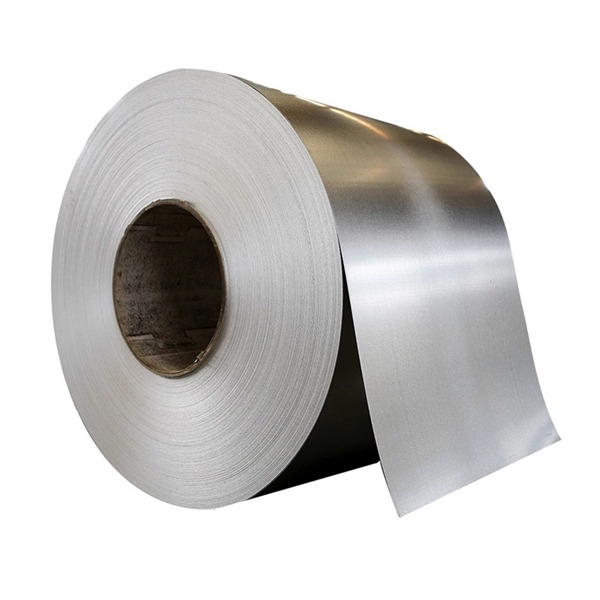
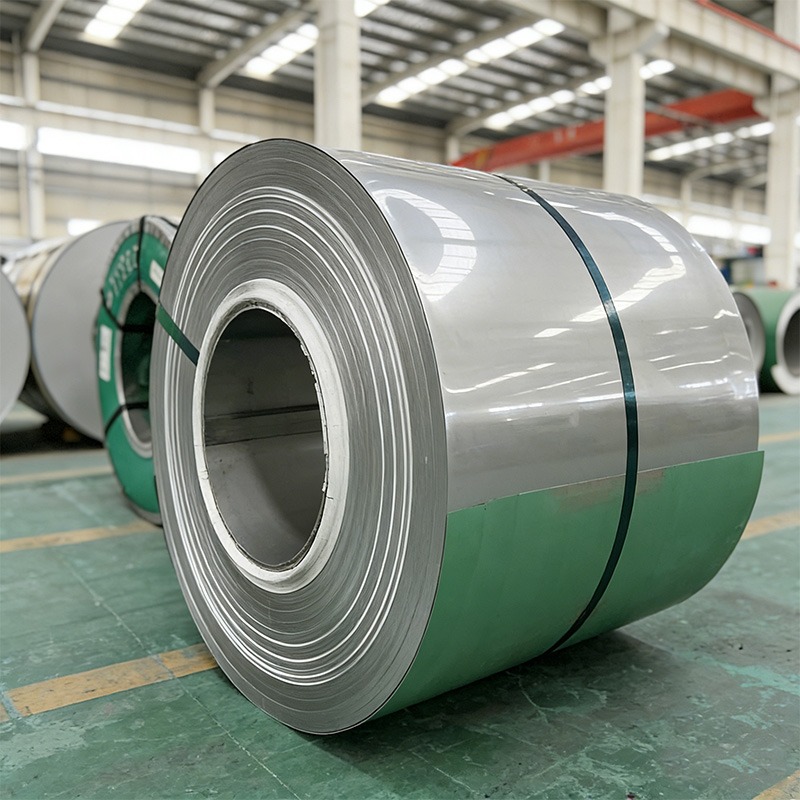
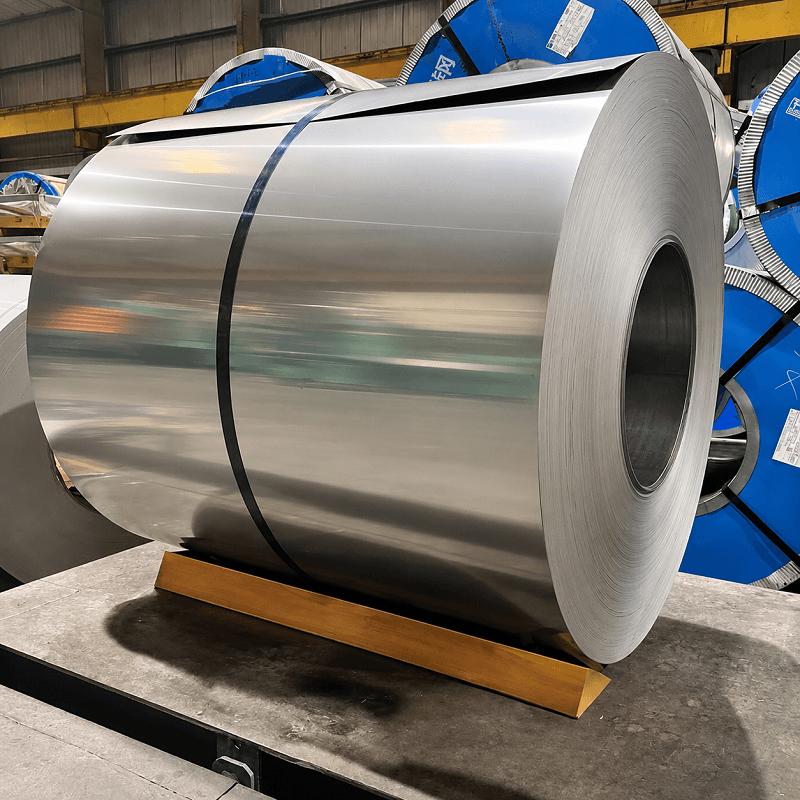
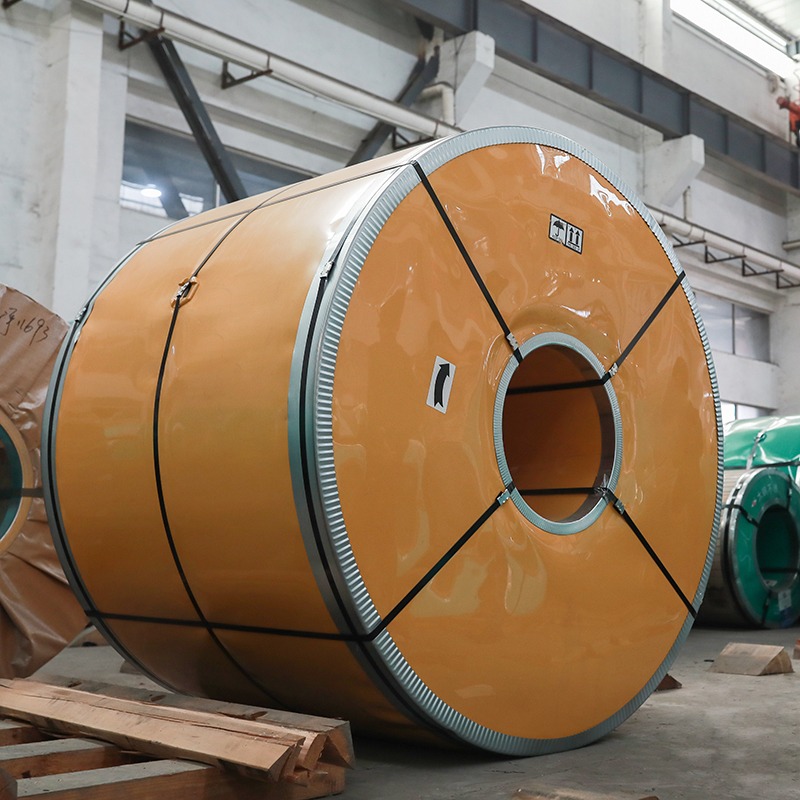
316 Stainless Steel Coil is a molybdenum-bearing austenitic stainless steel designed for enhanced corrosion resistance in chloride-rich and chemically aggressive environments. It offers excellent formability, weldability, and long-term durability under demanding service conditions.
Widely used in marine equipment, chemical processing systems, food production facilities, and industrial applications requiring superior corrosion protection.
316 Stainless Steel Coil provides superior corrosion resistance compared with standard stainless steel grades, making it ideal for harsh industrial and coastal environments.
Key advantages include:
• Excellent resistance to chlorides and chemicals
• Superior corrosion resistance
• Good weldability and formability
• Reliable performance in marine environments
• Suitable for food and pharmaceutical applications
• Long service life with low maintenance
• Available in multiple finishes and custom sizes
316 Stainless Steel Coil is widely used in applications exposed to moisture, saltwater, chemicals, and demanding operating conditions.
Typical applications include:
• Marine equipment and fittings
• Chemical processing equipment
• Storage tanks and vessels
• Food processing systems
• Pharmaceutical equipment
• Water treatment facilities
• Heat exchangers
• OEM industrial projects
We supply 316 stainless steel coils in various thicknesses, widths, and surface finishes to meet different project requirements. Slitting, cut-to-length, polishing, and custom processing services are available according to customer specifications.
Available finishes include 2B, BA, No.1, No.4, Hairline (HL), and Mirror, with mill edge or slit edge options.
Our materials support a wide range of construction and infrastructure projects



316 stainless steel coil contains molybdenum, providing better resistance to chloride-induced corrosion than 304 stainless steel. It is commonly selected for marine, chemical processing, and other demanding environments.
Yes. 316 stainless steel coil is widely used in marine and coastal applications because of its improved resistance to chloride corrosion. Material selection should still consider factors such as chloride concentration, temperature, and service conditions.
Yes. 316 stainless steel coil is commonly used for tanks, process equipment, and components exposed to mildly corrosive chemicals. The final material selection should be based on the specific chemical composition, temperature, and operating conditions.
It offers excellent resistance to seawater corrosion and maintains strength in humid and salt-rich conditions.
No. Strength is achieved through strain hardening rather than heat treatment.
Yes. It provides excellent weldability for structural fabrication.
Yes, it is commonly applied in tanks and pressure equipment.
Yes. It provides higher strength compared with most non-heat-treated aluminum alloys.
Yes. Thickness, width and temper can be adjusted based on project demand.
Get a fast, accurate quotation within 24 hours and secure reliable material supply for your next project.
Say something to start a live chat!