


Structural Steel Sheet is manufactured to provide high strength, excellent weldability, and reliable structural performance for load-bearing applications. It is widely used in construction, infrastructure, and industrial engineering where durability and mechanical reliability are essential.
Widely used in steel structures, bridges, equipment platforms, industrial buildings, and engineering projects requiring dependable structural support and fabrication performance.
Structural steel sheet (also known as hot-rolled carbon steel plate) is the backbone of modern construction, heavy machinery manufacturing, shipbuilding, and infrastructure engineering. Engineered for superior load-bearing capacity, excellent weldability, and reliable flame-cutting performance, our structural steel plates deliver exceptional mechanical integrity under heavy static and dynamic loads.
At XQJ Metal, we manufacture and supply a broad stock of structural carbon steel sheets conforming strictly to international standards including ASTM A36, ASTM A572 (Grade 50/60), EN 10025 (S235JR, S275JR, S355JR/J2), and JIS G3101 SS400.
| Standard & Grade | Yield Strength (MPa) | Tensile Strength (MPa) | Primary Engineering Applications |
| ASTM A36 | ≥ 250 | 400 – 550 | General bolted & welded structural building frames, bridge construction, machinery beds. |
| ASTM A572 Gr 50 | ≥ 345 | ≥ 450 | High-strength structural applications, heavy truck chassis, crane booms, power transmission towers. |
| EN 10025 S235JR | ≥ 235 | 360 – 510 | Lightweight steel frameworks, agricultural machinery, non-critical civil engineering structures. |
| EN 10025 S355JR / J2 | ≥ 355 | 470 – 630 | Offshore oil platforms, heavy excavator chassis, high-rise building steel columns, pressure vessel legs. |
| JIS G3101 SS400 | ≥ 245 | 400 – 510 | Shipbuilding structural plates, oil storage tank walls, heavy yellow goods equipment frames. |
Every shipment of XQJ Metal structural steel sheet is delivered with an authentic EN 10204 3.1 Mill Test Certificate (MTC), guaranteeing complete chemical heat analysis, tensile testing, Charpy V-notch impact test data, and 100% ultrasonic flaw detection (UT) compliance.
Q1: What is the main difference between ASTM A36 and EN S355 structural steel sheets?
A: ASTM A36 is a general-purpose carbon steel with a minimum yield strength of 250 MPa. S355 is a high-strength European grade with a minimum yield strength of 355 MPa, allowing engineers to design lighter structures with higher load capacities.
Q2: Can you provide cut-to-size structural steel plates based on engineering blueprints?
A: Yes, we offer exact cut-to-length and profiling services using CNC plasma and laser cutters according to your DXF, DWG, or PDF specifications.
To request technical datasheets, MTC test samples, or quick wholesale pricing, explore our related sub-categories or Contact Our Structural Steel Sales Engineers today.
Our materials support a wide range of construction and infrastructure projects

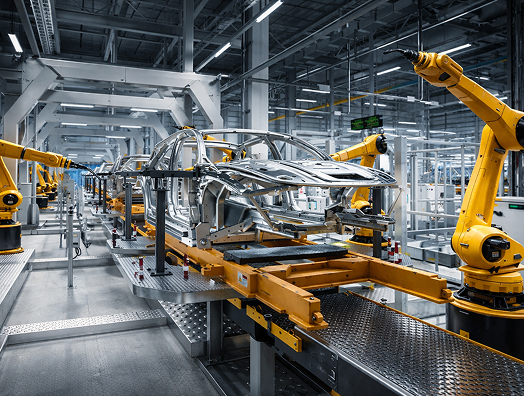

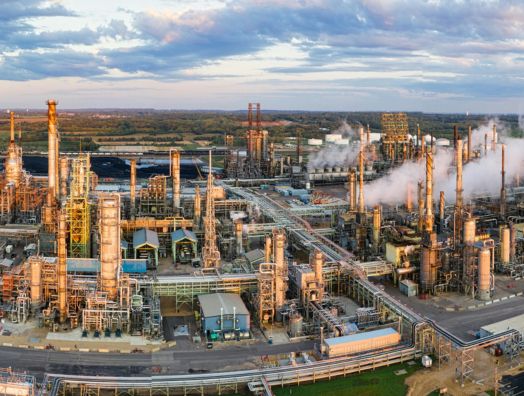

Structural steel sheet is manufactured to meet specified mechanical property requirements for load-bearing applications, while mild steel sheet is typically selected for general fabrication and non-critical structures. The appropriate material should be chosen according to the project's structural and engineering requirements.
Structural steel sheet provides the strength, weldability, and reliability required for fabricated components that support static and dynamic loads. It is commonly specified for buildings, bridges, industrial equipment, and other engineering structures where structural performance is critical.
The appropriate structural steel grade is determined by factors such as required yield strength, loading conditions, welding requirements, applicable design standards, and the intended service environment. Selecting the correct grade helps ensure structural safety, compliance, and long-term performance.
It offers excellent resistance to seawater corrosion and maintains strength in humid and salt-rich conditions.
No. Strength is achieved through strain hardening rather than heat treatment.
Yes. It provides excellent weldability for structural fabrication.
Yes, it is commonly applied in tanks and pressure equipment.
Yes. It provides higher strength compared with most non-heat-treated aluminum alloys.
Yes. Thickness, width and temper can be adjusted based on project demand.
Get a fast, accurate quotation within 24 hours and secure reliable material supply for your next project.
Say something to start a live chat!