

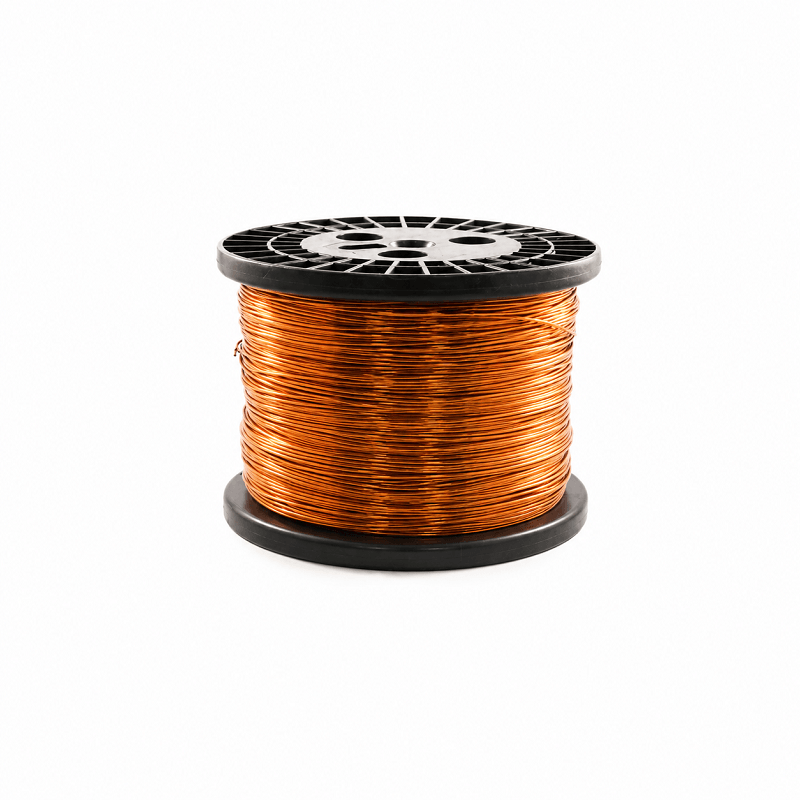
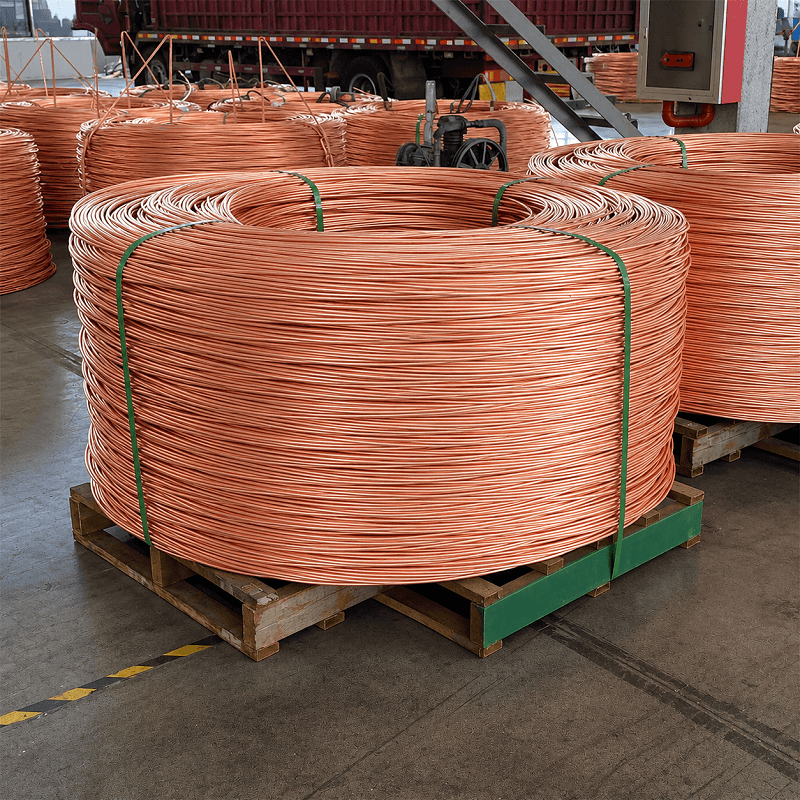
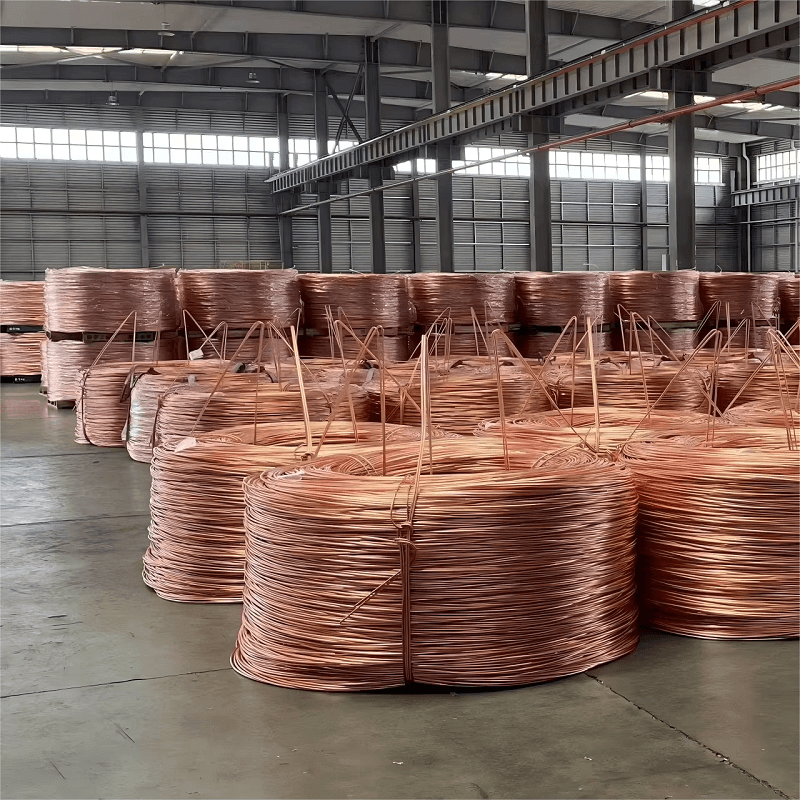
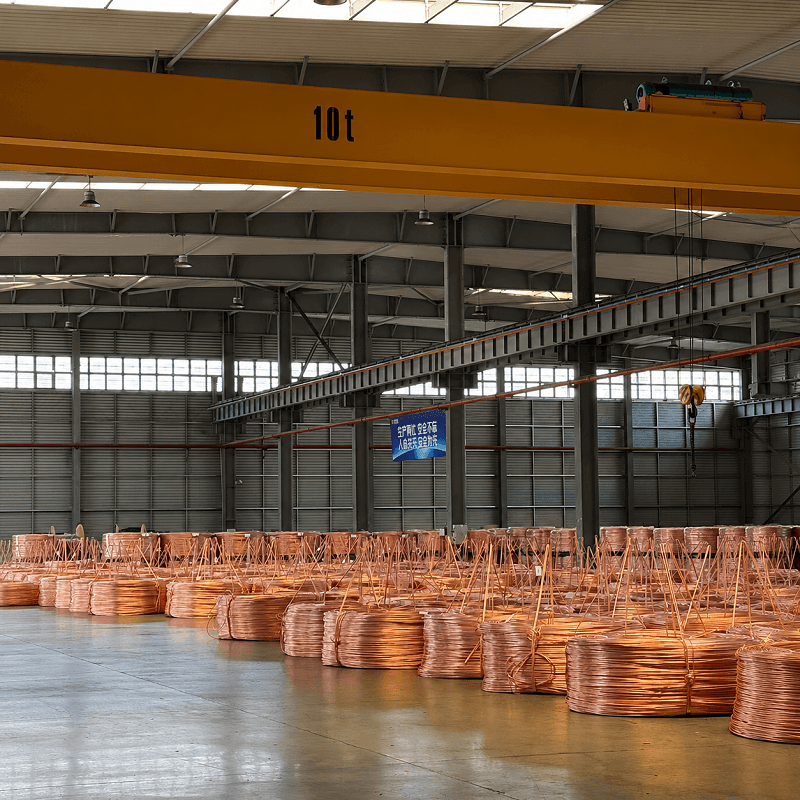
Copper Alloy Wire combines copper with alloying elements such as nickel, tin, and zinc to enhance mechanical strength, wear resistance, and durability while maintaining good electrical conductivity. It is designed for demanding applications requiring higher strength and improved service performance than pure copper materials.
Widely used in electrical connectors, spring contacts, industrial components, and engineering applications requiring reliable mechanical performance and long-term durability.
Copper alloy wire (high-strength phosphor bronze wire C51000/C5191, beryllium copper wire C17200, brass alloy wire C26000, copper-nickel alloy wire CuNi, silicon bronze wire, and high-precision EDM brass wire) engineered to combine superior electrical conductivity with exceptional mechanical tensile strength, extreme stress relaxation resistance, and elevated wear performance. By alloying pure copper with precision ratios of tin, zinc, beryllium, nickel, silicon, or zirconium, copper alloy wire overcomes the mechanical yield limits of pure copper, making it the preferred choice for heavy-duty electrical contacts, precision spring components, automotive connectors, and aerospace fasteners.
At XQJ Metal, we operate advanced vacuum induction melting (VIM), multi-pass cold drawing, and continuous bright annealing production lines supplying ultra-reliable copper alloy wire conforming strictly to international metallurgical standards, including ASTM B159 (phosphor bronze wire), ASTM B134 (brass wire), ASTM B197 (beryllium copper alloy wire), EN 12166, and JIS H3270 specifications. We manufacture wire gauges ranging from 0.10mm to 6.0mm (AWG 3 to AWG 38) with custom tempers ranging from annealed soft (O60) to spring hard (Extra Hard / Super Extra Hard) tailored for automated coil spring machinery and electronic stamping dies.
| Copper Alloy Family | Standard Alloy Grade & UNS Code | Tensile Strength (MPa) | Electrical Conductivity (% IACS) | Primary Engineering Attributes |
| Phosphor Bronze Wire | C51000 (CuSn5) / C5191 (CuSn6) / C5210 (CuSn8) | 450 to 950 MPa | 13% to 20% IACS | Excellent spring fatigue endurance, high friction wear resistance, non-magnetic, superior solderability |
| Beryllium Copper Wire | C17200 (CuBe2) / C17500 (CuCoBe) | 800 to 1400 MPa (Age Hardened) | 22% to 60% IACS | Highest strength among copper alloys, anti-galling, high thermal stability, non-sparking performance |
| Brass Alloy Wire | C26000 (Cartridge Brass) / C27200 (CuZn37) | 380 to 750 MPa | 25% to 28% IACS | Excellent cold heading ductility, high economic value, ideal for cold rivets, fasteners, and EDM wire |
| Copper-Chromium-Zirconium | C18150 (CuCr1Zr) / High-Conductivity Alloy | 500 to 700 MPa | 75% to 85% IACS | Ultra-high conductivity combined with high temperature softening resistance up to 500°C |
Selecting between pure copper wire (C11000/ETP) and specialized copper alloy wire depends on the structural and mechanical demands of the target application:
Design engineers, electronic connector manufacturers, and industrial spring makers choose our copper alloy wire due to several key quality features:
Our heavy-duty copper alloy wire products supply critical components across demanding global technology sectors:
To guarantee complete metallurgical consistency and lot-to-lot reliability, XQJ Metal enforces strict Quality Assurance (QA) protocols on every copper alloy wire order:
Q1: What is the main advantage of Phosphor Bronze Wire (C51000/C5191) compared to standard Brass Wire (C26000)?
A: Phosphor bronze wire contains tin and phosphorus, giving it significantly higher spring fatigue endurance, superior wear resistance, and better corrosion resistance in moist or marine environments compared to standard brass wire.
Q2: Can XQJ Metal supply custom Beryllium Copper Wire (C17200) in both pre-tempered and age-hardenable states?
A: Yes, we supply Beryllium Copper wire in soft solution-annealed state (for easy forming/stamping before heat treatment) as well as mill-hardened pre-aged state ready for immediate spring winding.
To receive current FOB/CIF price quotes, alloy technical datasheets, or sample spools for copper alloy wire, Contact Our Alloy Engineering Team today.
Our materials support a wide range of construction and infrastructure projects





Copper alloy wire is often selected when higher mechanical strength, improved wear resistance, or better fatigue performance is required in addition to electrical conductivity. The appropriate alloy depends on the application's electrical and mechanical requirements.
While pure copper provides the highest electrical conductivity, copper alloys offer improved strength, wear resistance, and durability. They are commonly selected when components must withstand repeated mechanical stress or demanding operating conditions.
Copper alloy wires provide improved mechanical strength, wear resistance, fatigue performance, and durability compared with pure copper, while maintaining good electrical conductivity. The appropriate alloy should be selected according to the balance between conductivity and mechanical performance required by the application.
It offers excellent resistance to seawater corrosion and maintains strength in humid and salt-rich conditions.
No. Strength is achieved through strain hardening rather than heat treatment.
Yes. It provides excellent weldability for structural fabrication.
Yes, it is commonly applied in tanks and pressure equipment.
Yes. It provides higher strength compared with most non-heat-treated aluminum alloys.
Yes. Thickness, width and temper can be adjusted based on project demand.
Get a fast, accurate quotation within 24 hours and secure reliable material supply for your next project.
Say something to start a live chat!