

Copper Wire Scrap consists of recyclable copper wire materials with high copper content and excellent recovery value. It is widely recognized as a premium raw material for copper recycling, smelting, and secondary metal production.
Widely used by recyclers, smelters, foundries, and metal processing facilities requiring high-purity copper recovery and consistent material quality.
Copper wire scrap (high-purity Millberry copper scrap, bare bright copper wire, ISRI Berry grade scrap, No.1 heavy copper scrap wire, recycled electrical copper conductors, and copper wire bales) serves as the primary high-grade recycled feedstock for secondary copper refineries, continuous casting copper rod mills, brass foundries, and chemical copper sulfate manufacturers. Sourced from decommissioned power distribution cables, industrial wiring harnesses, telecommunication lines, and transformer windings, copper wire scrap delivers uncompromised conductivity and thermal performance while significantly reducing energy consumption compared to primary copper ore smelting.
At XQJ Metal, we supply carefully sorted, stripped, and baled copper wire scrap conforming strictly to Institute of Scrap Recycling Industries (ISRI) international specifications. Our inventory features high copper content ranging from 99.5% to 99.95% min purity, free from iron attachments, excessive oxidation, heavy oil insulation, or harmful metallic impurities. We offer custom processing options including automatic wire stripping, hydraulic baling (200kg to 500kg per bale), loose coil bundles, and containerized export freight for global metallurgical plants.
| ISRI Specification Code | Industry Grade & Name | Minimum Copper Purity (%) | Wire Diameter & Physical Characteristics |
| ISRI Code: Berry | No.1 Bare Bright Copper Wire Scrap (Millberry) | ≥ 99.90% to 99.95% | Clean, uncoated, unalloyed copper wire, gauge 16 B&S (1.29mm) and thicker; zero insulation, oil, or oxidation |
| ISRI Code: Barley | No.1 Heavy Copper Wire Scrap | ≥ 99.00% to 99.50% | Clean, unalloyed copper scrap including busbars, clean tubing, and heavy wire; free of solder and brittle burnt wire |
| ISRI Code: Birch | No.2 Copper Wire Scrap | ≥ 94.00% to 96.00% | Unalloyed copper scrap wire containing minor tarnish, thin enamel insulation, or minor soldering; max 1% total impurity |
| ISRI Code: Druid | Insulated Copper Wire Scrap (ICW) | 40% to 80% recovery grade | Unstripped insulated power cables, automotive wiring harnesses, and CATV cords ready for granulating plants |
Comparing high-grade unalloyed copper wire scrap against lower grade mixed scrap highlights critical processing benefits for foundry metallurgists:
Secondary smelting facilities, electrical cable manufacturers, and alloy foundries choose our copper wire scrap due to several key quality features:
Our high-purity copper wire scrap supplies critical raw material streams across diverse global metallurgical sectors:
To ensure total chemical purity compliance and seamless customs clearing, XQJ Metal enforces strict Quality Assurance (QA) protocols on every copper wire scrap export shipment:
Q1: What is the exact difference between No.1 Bare Bright (Berry) and No.1 Heavy Copper (Barley) scrap?
A: Berry (Bare Bright) consists strictly of uncoated, unalloyed bare copper wire with no surface tarnish or oil, exceeding 99.9% purity. Barley includes clean copper wire, busbars, and tubing that may have minor surface oxidation or tarnish but remains free of solder or insulation coatings.
Q2: Can XQJ Metal provide CCIC or SGS pre-shipment inspection certificates for copper wire scrap containers?
A: Yes, we regularly coordinate third-party CCIC, SGS, or Bureau Veritas (BV) inspection testing for purity verification, weight check, and non-radiation certification prior to container sealing.
To request latest FOB/CIF spot price quotes, chemical assay reports, or sample bales for copper wire scrap, Contact Our Secondary Metals Trading Team today.
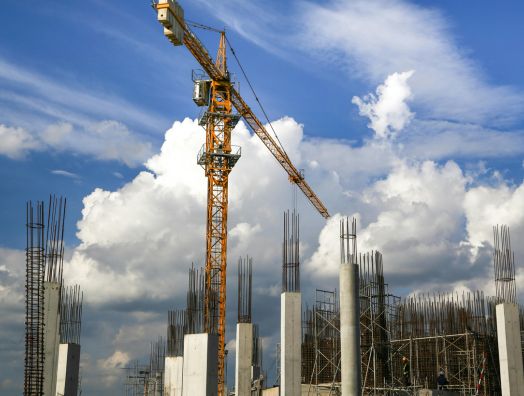
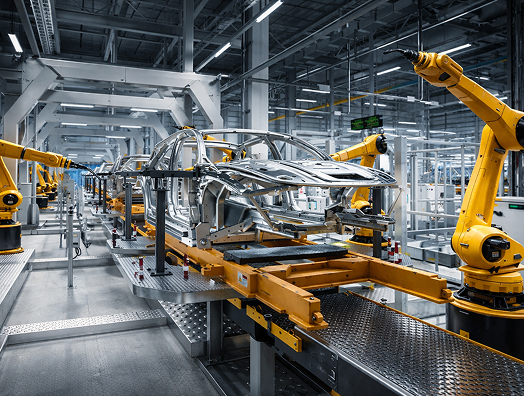
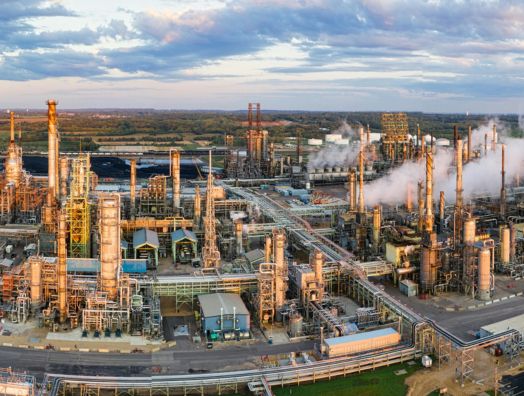
Our materials support a wide range of construction and infrastructure projects


Bare bright copper wire scrap consists of clean, uncoated, unalloyed copper wire with a high copper content, while mixed copper wire scrap may contain insulated wires, coatings, or other impurities. The material grade should be selected according to the recycling process and quality requirements.
The quality of copper wire scrap directly influences its recovery efficiency and market value. Cleaner material with higher copper content and fewer contaminants generally requires less processing and provides a higher recycling yield.
The value of copper wire scrap is typically determined by copper purity, contamination level, wire type, moisture content, processing condition, and current market demand. Proper sorting and preparation can help maximize recycling value.
It offers excellent resistance to seawater corrosion and maintains strength in humid and salt-rich conditions.
No. Strength is achieved through strain hardening rather than heat treatment.
Yes. It provides excellent weldability for structural fabrication.
Yes, it is commonly applied in tanks and pressure equipment.
Yes. It provides higher strength compared with most non-heat-treated aluminum alloys.
Yes. Thickness, width and temper can be adjusted based on project demand.
Get a fast, accurate quotation within 24 hours and secure reliable material supply for your next project.
Say something to start a live chat!