

C10200 Copper Wire is a high-purity oxygen-free copper material known for its exceptional electrical conductivity, thermal conductivity, and material stability. Its extremely low oxygen content makes it suitable for demanding applications requiring reliable performance, consistent conductivity, and high material purity.
Widely used in precision electrical systems, transformers, connectors, electronic equipment, and industrial applications where conductivity, stability, and performance consistency are critical.
C10200 copper wire (also known as OFC copper wire, Oxygen-Free Copper C10200 wire, or CDA 102 electronic wire) is an ultra-pure oxygen-free copper conductor manufactured for critical electrical, electronic, and high-vacuum engineering applications. Containing a minimum copper purity of 99.95% with an extremely low oxygen content (less than 0.001%), C10200 copper wire delivers superior electrical conductivity, outstanding thermal dissipation, and excellent immunity to hydrogen embrittlement during high-temperature processing.
At XQJ Metal, we manufacture high-precision C10200 copper wires in fine gauges, magnet wire tempers, and heavy-duty spooled coils. Produced in strict compliance with ASTM B1, ASTM B170, and EN 13602 standards, our oxygen-free copper wire undergoes continuous bright annealing to ensure smooth surface finish, tight diameter tolerances, and uniform mechanical properties.
| Parameter | Standard Value / Specification |
| Material Grade | C10200 / CDA 102 / OFC (Oxygen-Free Copper) |
| Copper Purity (Cu) | ≥ 99.95% (Oxygen Content < 0.001%) |
| Electrical Conductivity | ≥ 100% IACS – 101% IACS |
| Wire Diameter Range | 0.05mm – 8.0mm (Precision Fine & Heavy Gauge Wire) |
| Spool & Package Types | DIN 125, DIN 200, DIN 250, PT-15, PT-25, Basket Coils |
| Tempers Available | Soft Annealed (O60), Half Hard (H02), Full Hard (H04) |
| International Standards | ASTM B1, ASTM B170, EN 13602, JIS C1020, ISO 9001 |
Q1: What is the main difference between C10200 and C11000 copper wire?
A: C10200 is oxygen-free copper (OFC) containing less than 0.001% oxygen, which prevents hydrogen embrittlement when high-temperature soldering, brazing, or annealing in reducing atmospheres. C11000 is ETP copper containing residual oxygen, suitable for general electrical power wiring but prone to embrittlement under thermal processing.
Q2: What diameter tolerances can be achieved for fine C10200 copper wire?
A: Through multi-pass diamond die cold drawing, we achieve tight diameter tolerances down to ±0.002mm for fine oxygen-free copper wire sizes.
Q3: What is your Minimum Order Quantity (MOQ) for custom spooled C10200 copper wire?
A: Our standard MOQ for custom drawn wire gauges is 200 kg. Standard warehouse stock sizes can be supplied in smaller sample spool quantities immediately.
If you require specific wire tempers, custom spool packaging, or material test reports, explore our full range of Copper Wire Products or Contact Our Sales Engineering Team directly for a fast factory quotation.
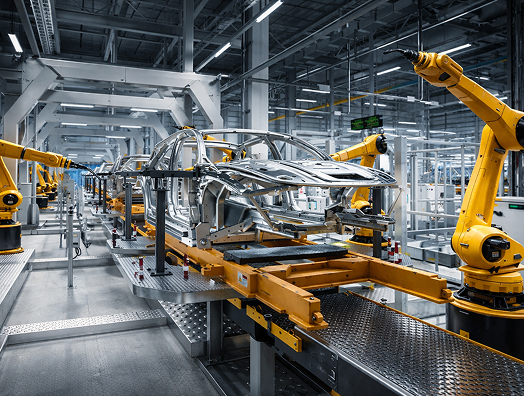
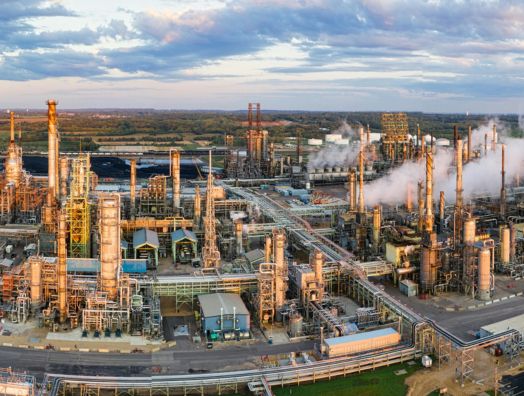
Our materials support a wide range of construction and infrastructure projects



C10200 copper wire is an oxygen-free copper alloy with lower oxygen content and higher purity than C11000. It is commonly selected for applications requiring excellent electrical conductivity, high thermal conductivity, and reliable performance in vacuum, high-frequency, or high-temperature environments.
The extremely low oxygen content of C10200 copper wire helps maintain excellent electrical conductivity, stable thermal performance, and high material purity. These characteristics make it suitable for demanding electrical and electronic applications where consistent performance and long-term reliability are essential.
C10200 copper wire is widely used for transformer windings, induction coils, vacuum equipment, semiconductor systems, high-frequency electrical components, and other critical applications that require outstanding conductivity, material purity, and dependable long-term performance.
It offers excellent resistance to seawater corrosion and maintains strength in humid and salt-rich conditions.
No. Strength is achieved through strain hardening rather than heat treatment.
Yes. It provides excellent weldability for structural fabrication.
Yes, it is commonly applied in tanks and pressure equipment.
Yes. It provides higher strength compared with most non-heat-treated aluminum alloys.
Yes. Thickness, width and temper can be adjusted based on project demand.
Get a fast, accurate quotation within 24 hours and secure reliable material supply for your next project.
Say something to start a live chat!