

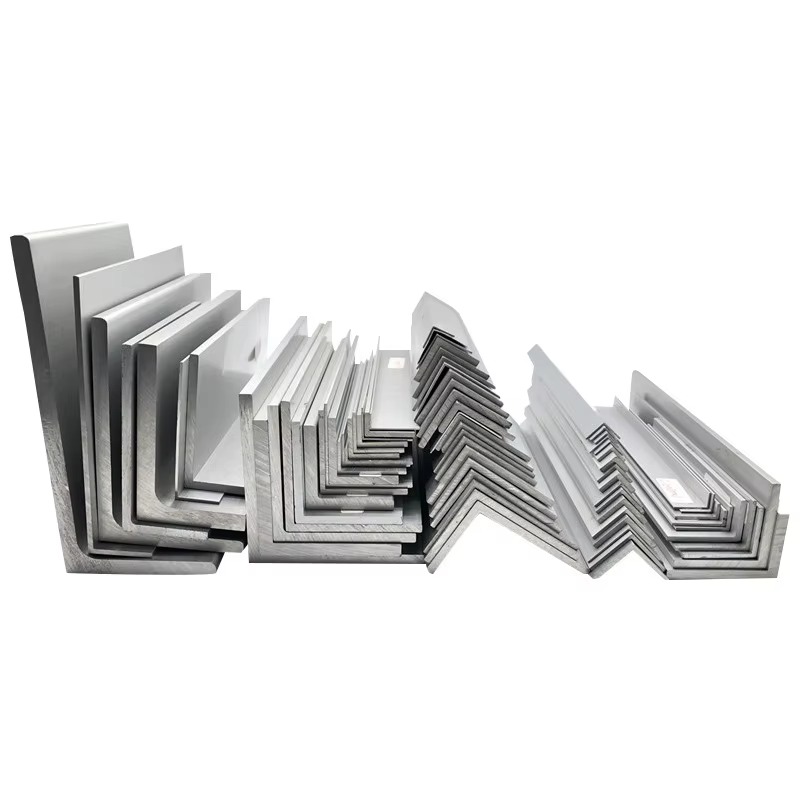
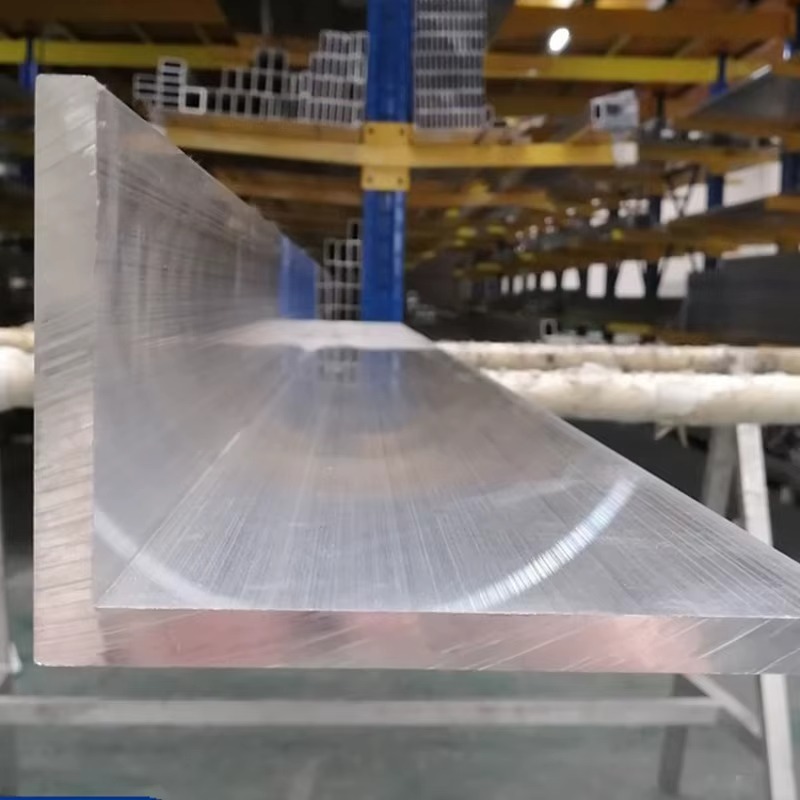
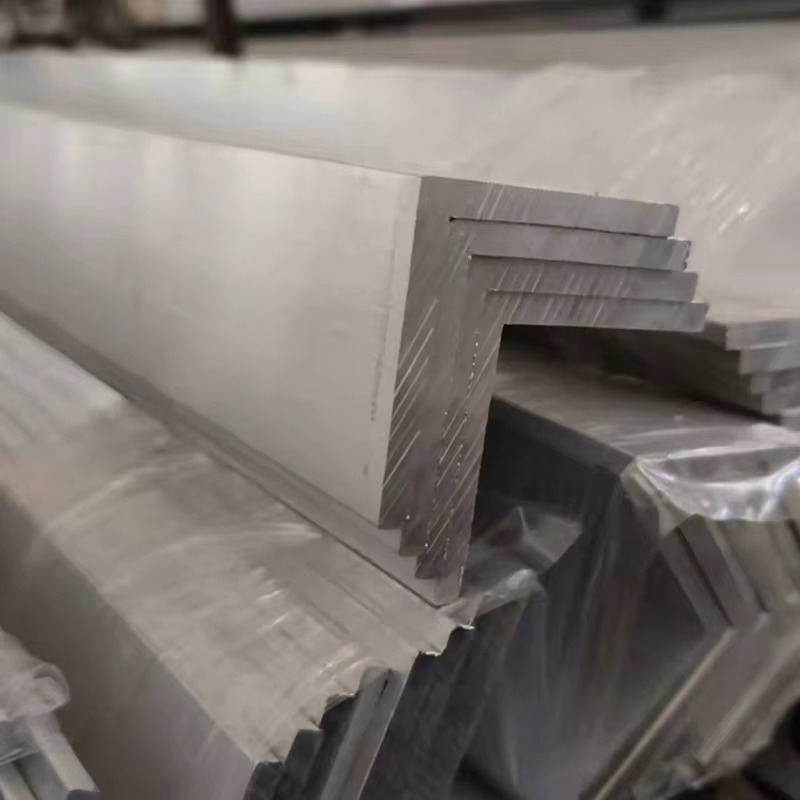
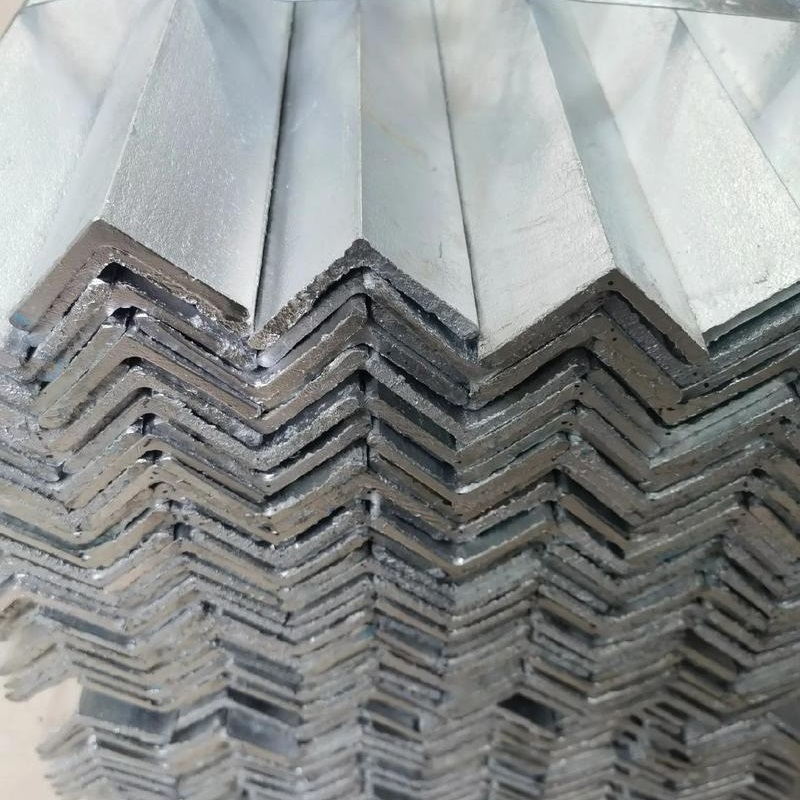
Aluminum Angle is an L-shaped structural profile designed for lightweight support, reinforcement, and framing applications. It combines excellent corrosion resistance with good strength and fabrication performance, making it suitable for construction, machinery, transportation, and custom projects.
Available in alloys such as 6061 and 6063, aluminum angles are easy to cut, weld, drill, and assemble while maintaining long-term durability in indoor and outdoor environments.
Aluminum Angle provides an ideal balance of strength, weight reduction, and corrosion resistance for structural and fabrication projects.
Key advantages include:
• Lightweight with excellent structural performance
• Outstanding corrosion resistance
• Easy to cut, weld, drill, and machine
• High dimensional accuracy
• Suitable for anodizing and powder coating
• Available in multiple alloys and custom sizes
Aluminum Angle is widely used in structural support and framing applications across various industries.
Typical applications include:
• Building and construction
• Machinery frames
• Architectural structures
• Transportation equipment
• Shelving and display systems
• Furniture manufacturing
• Solar mounting systems
• OEM fabrication projects
We manufacture aluminum angles in a wide range of dimensions, thicknesses, alloys, and surface finishes to meet different project requirements. Precision cutting, drilling, anodizing, powder coating, and custom fabrication are available according to customer drawings or specifications.
Common alloys include 6061, 6063, 6082, and other aluminum grades upon request.
Our materials support a wide range of construction and infrastructure projects





6061 aluminum angle provides higher strength and is commonly used for structural applications, while 6063 aluminum angle offers a smoother surface finish and is preferred for architectural and decorative projects. The appropriate alloy should be selected according to the project's structural and aesthetic requirements.
Aluminum angle offers a combination of corrosion resistance, lighter weight, and easier handling compared with carbon steel. It is commonly selected where reducing weight and minimizing maintenance are important design considerations.
Aluminum angle is widely used for equipment frames, support brackets, architectural structures, solar mounting systems, shelving, and other lightweight structural applications. The appropriate alloy, temper, and dimensions should be selected according to the required load capacity and service environment.
It offers excellent resistance to seawater corrosion and maintains strength in humid and salt-rich conditions.
No. Strength is achieved through strain hardening rather than heat treatment.
Yes. It provides excellent weldability for structural fabrication.
Yes, it is commonly applied in tanks and pressure equipment.
Yes. It provides higher strength compared with most non-heat-treated aluminum alloys.
Yes. Thickness, width and temper can be adjusted based on project demand.
Get a fast, accurate quotation within 24 hours and secure reliable material supply for your next project.
Say something to start a live chat!