

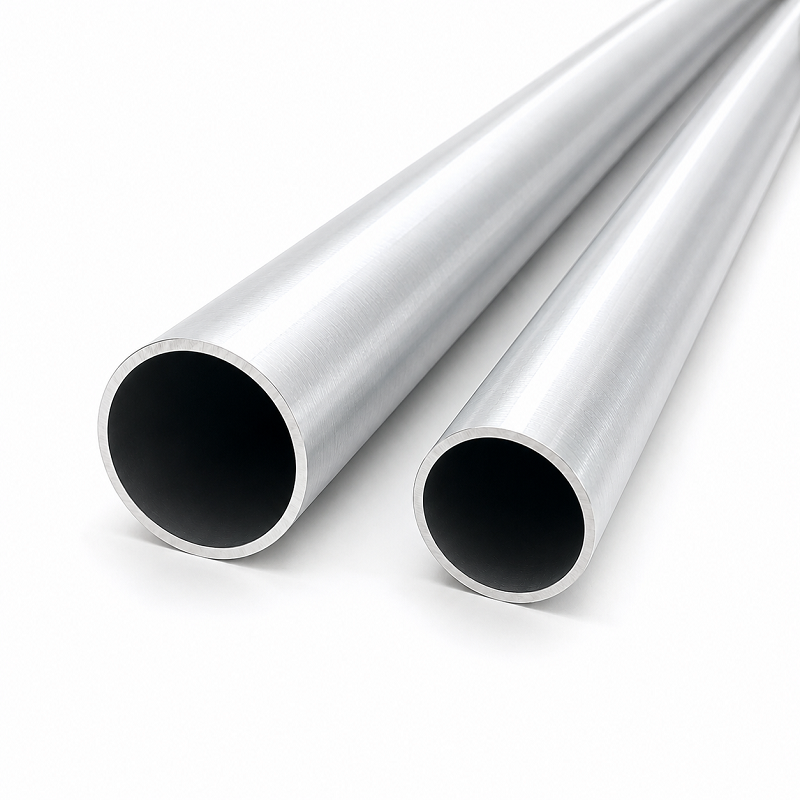
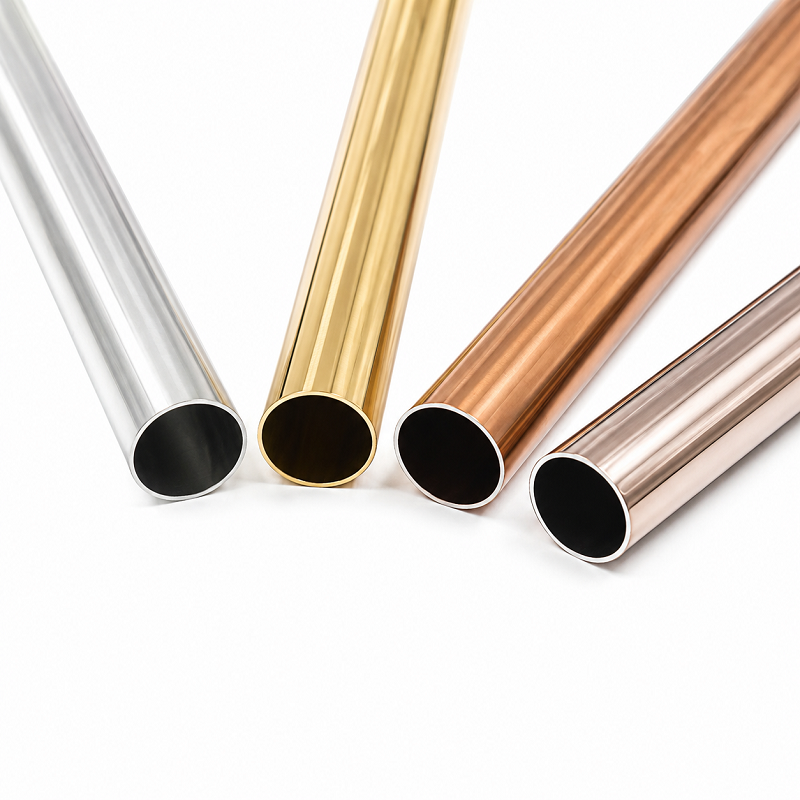
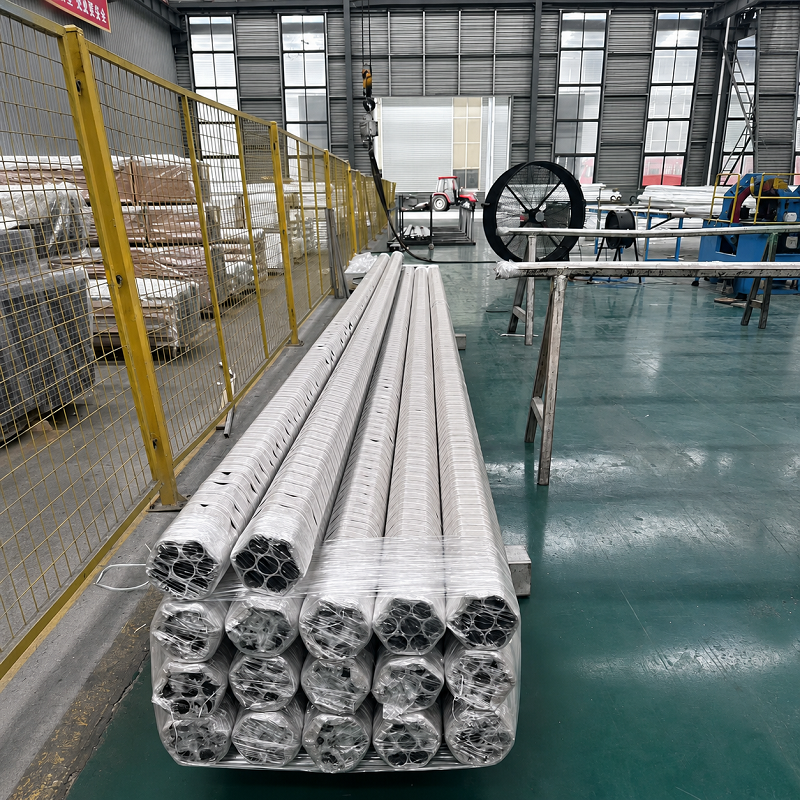
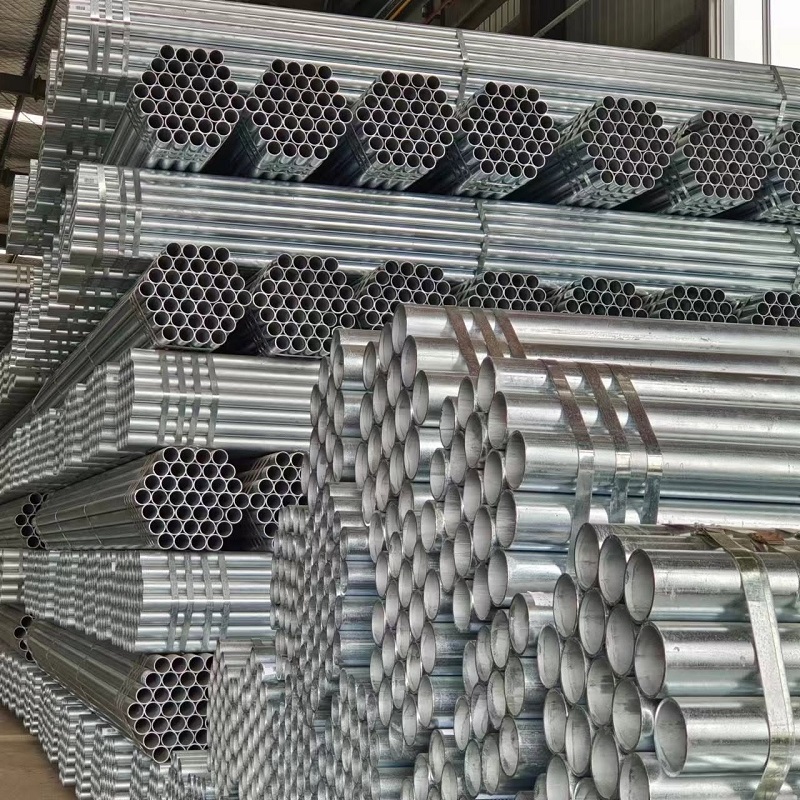
Aluminum Round Tube is a lightweight hollow profile that combines excellent corrosion resistance, good mechanical strength, and outstanding fabrication performance. Available in a variety of alloys including 6061, 6063, 5052, and 3003, it is suitable for welding, machining, bending, and structural applications.
Its high strength-to-weight ratio makes it an ideal choice for construction, transportation, machinery, furniture, and custom fabrication projects requiring durability and easy processing.
Aluminum round tube (also known as aluminum circular piping or round tubing) is a high-performance hollow structural profile widely utilized across automotive, aerospace, construction, and fluid processing industries. Offering high strength-to-weight ratio, smooth fluid flow, superior pressure capacity, and excellent corrosion resistance, aluminum round tubing provides outstanding structural stability and mechanical versatility.
At XQJ Metal, we manufacture and supply precision extruded and seamless aluminum round tubes in structural alloys like 6061-T6, architectural alloys like 6063-T5/T6, and high-strength marine alloys like 5083. Built in strict accordance with ASTM B221, ASTM B241, and EN 755 standards, our circular tubes are available with custom precision sawing, rotary swaging, bending, and protective anodized finishes.
| Parameter | Standard Value / Specification |
| Alloy & Temper | 6063 (T5/T6), 6061 (T6/T651), 5083 (H111), 3003 (H14), 7075 (T6) |
| Outer Diameter (OD) | 6.0mm – 500mm (0.25″ – 20.0″) |
| Wall Thickness | 0.5mm – 50.0mm (Thin Wall & Heavy Duty Wall) |
| Manufacturing Process | Seamless Drawn, Extruded, Precision Swaged |
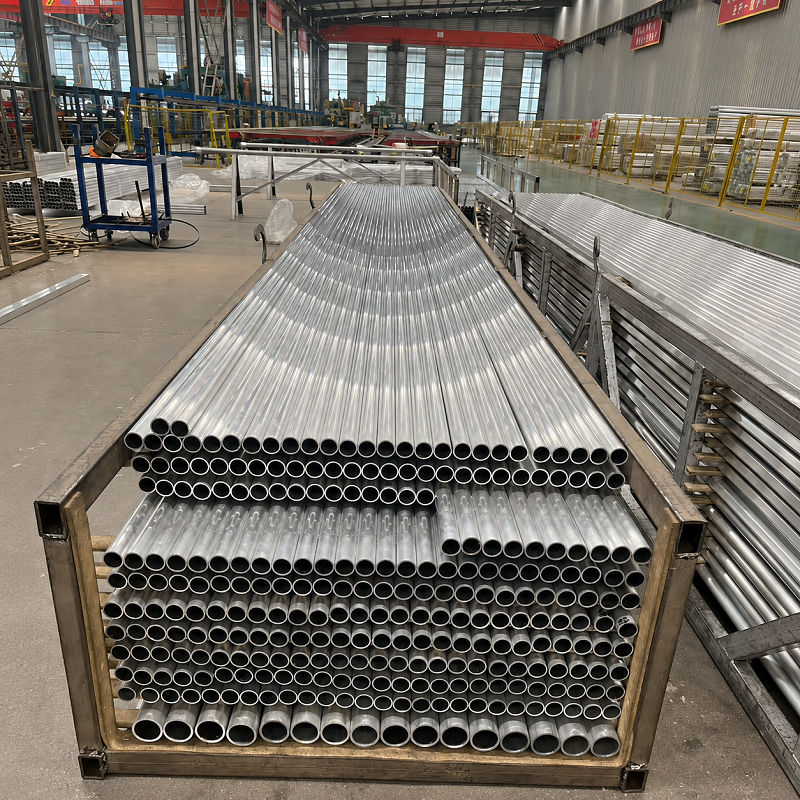
| Standard Lengths | 1000mm – 6000mm (Custom Precision Cut-to-Length) |
| International Standards | ASTM B221, ASTM B241, AMS 4082, EN 755, GB/T 4437 |
| Surface Finishes | Mill Finish, Anodized (Clear/Black), Polished, Powder Coated |
Q1: What is the difference between seamless and extruded aluminum round tubing?
A: Seamless aluminum round tubing is manufactured without weld seams, offering higher pressure resistance and uniform strength for critical hydraulic and aerospace applications. Extruded round tubing is cost-effective and suitable for structural, architectural, and general mechanical applications.
Q2: Can you provide precision bending and end-forming services?
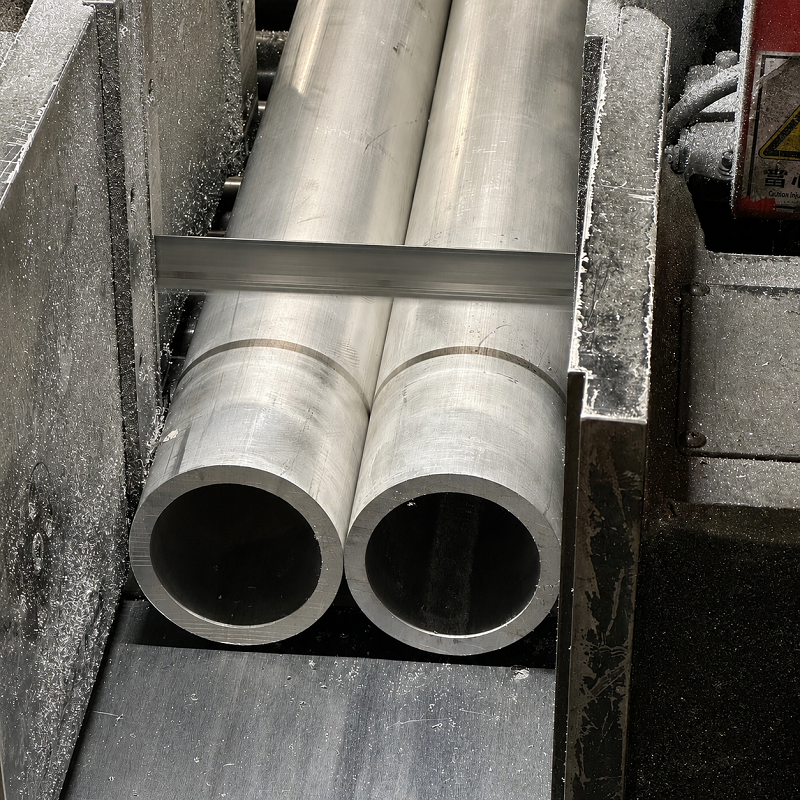
A: Yes, we offer secondary processing services including CNC tube bending, rotary swaging, flaring, deburring, and pre-drilled holes based on your exact engineering drawings.
Q3: What is your Minimum Order Quantity (MOQ) for custom round tubes?
A: Our standard MOQ is 500 kg per size for custom manufacturing. Small trial orders or cut sample lengths can be dispatched immediately from our stocked inventory.
If you require specific outer diameters, tight wall tolerances, or technical material datasheets, explore our full range of Aluminum Tube Products or Contact Our Sales Team directly for a fast factory quotation.
Our materials support a wide range of construction and infrastructure projects





6061 aluminum round tube provides higher strength and is commonly used for structural and mechanical applications, while 6063 offers a smoother surface finish and is preferred for architectural and decorative projects. The appropriate alloy should be selected according to the required mechanical performance and appearance.
The circular profile distributes loads evenly in all directions and provides excellent torsional resistance, making aluminum round tube a preferred choice for handrails, bicycle frames, transportation equipment, and other tubular structures requiring strength and lightweight performance.
A round tube provides more uniform stress distribution and better torsional performance than many other hollow profiles, making it well suited for applications involving dynamic loads, curved designs, or multi-directional forces. The most suitable tube shape should be selected according to the project's structural and fabrication requirements.
It offers excellent resistance to seawater corrosion and maintains strength in humid and salt-rich conditions.
No. Strength is achieved through strain hardening rather than heat treatment.
Yes. It provides excellent weldability for structural fabrication.
Yes, it is commonly applied in tanks and pressure equipment.
Yes. It provides higher strength compared with most non-heat-treated aluminum alloys.
Yes. Thickness, width and temper can be adjusted based on project demand.
Get a fast, accurate quotation within 24 hours and secure reliable material supply for your next project.
Say something to start a live chat!