
 Skip to content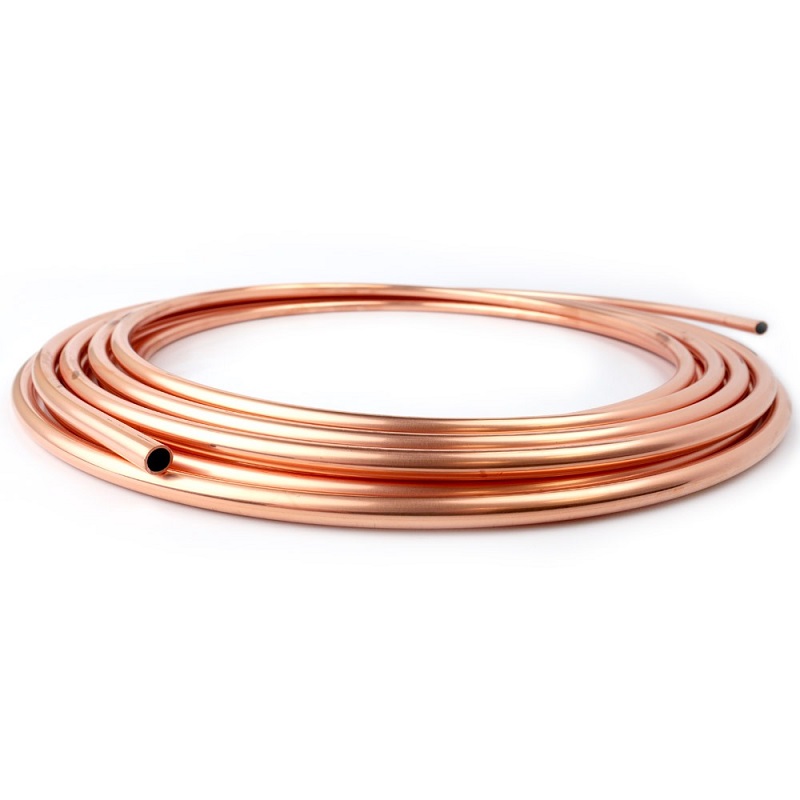
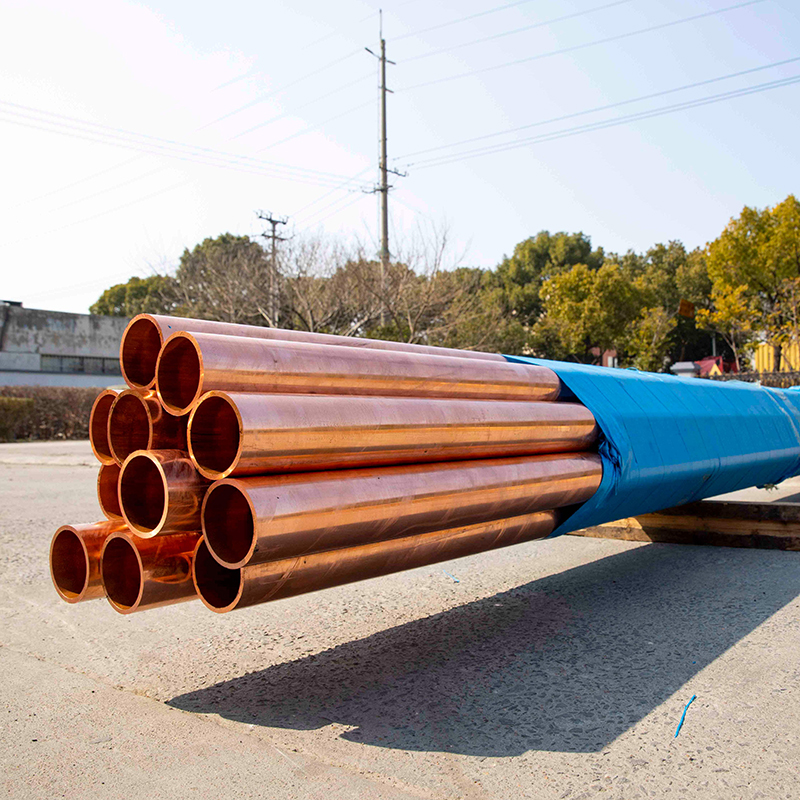
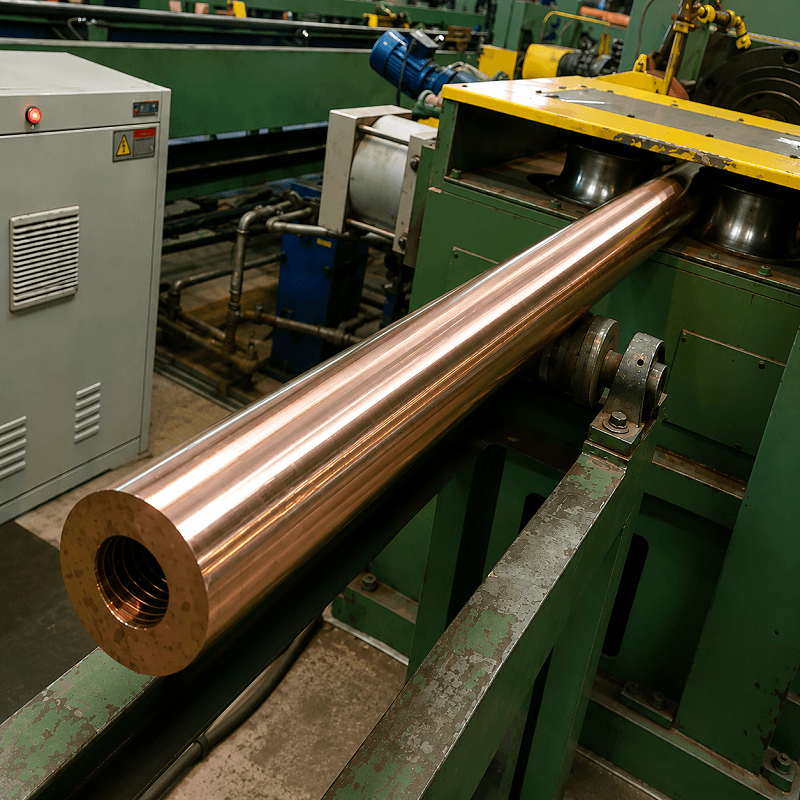
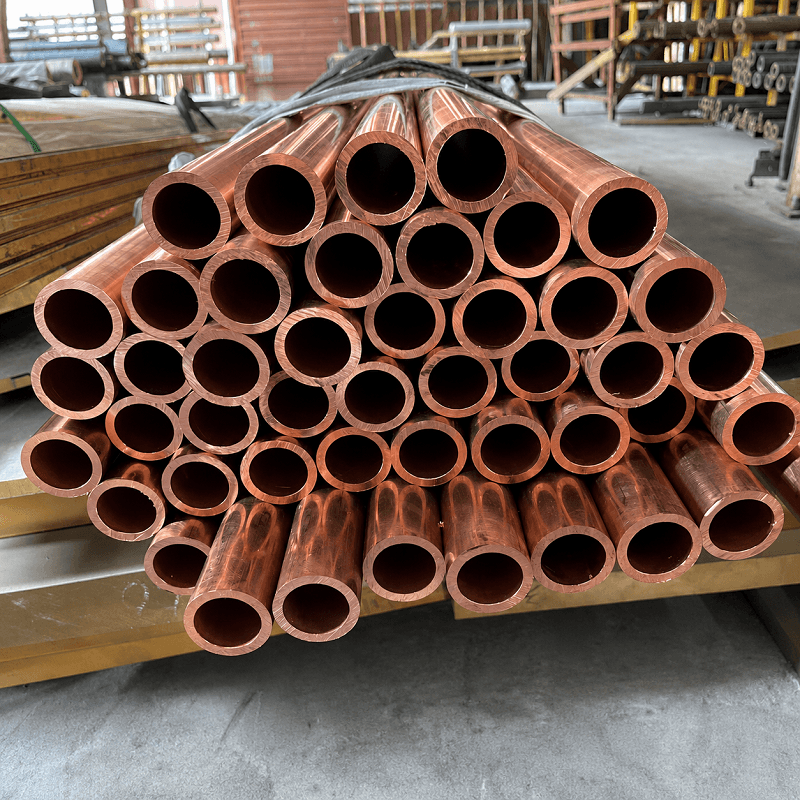
Copper Alloy Pipe is engineered to provide enhanced mechanical strength, corrosion resistance, and durability compared with pure copper materials. It is particularly suitable for demanding service environments where long-term reliability and resistance to aggressive media are required.
Widely used in marine engineering, seawater systems, heat exchangers, condensers, and industrial applications requiring superior corrosion resistance and mechanical performance.
Copper Alloy Pipe combines strength, corrosion resistance, and thermal performance, making it suitable for demanding industrial and marine applications.
Key advantages include:
• Higher strength than pure copper
• Excellent corrosion resistance
• Good thermal conductivity
• Reliable performance in seawater environments
• Long service life
• Suitable for heat exchange applications
• Available in multiple alloy grades and specifications
Copper Alloy Pipe is widely used in applications requiring corrosion resistance, durability, and reliable long-term service performance.
Typical applications include:
• Marine engineering
• Seawater piping systems
• Heat exchangers
• Condensers
• Offshore projects
• Power generation facilities
• Shipbuilding applications
• OEM manufacturing projects
We supply copper alloy pipes in various grades, diameters, wall thicknesses, and specifications to meet different project requirements. Cutting, bending, machining, and custom processing services are available according to customer specifications.
Available in copper-nickel, brass, bronze, and other copper alloy grades for marine, industrial, and heat-transfer applications.
Our materials support a wide range of construction and infrastructure projects





The appropriate copper alloy pipe depends on factors such as corrosion resistance, pressure requirements, thermal conductivity, fluid compatibility, and the operating environment. Selecting the correct alloy helps ensure long-term reliability and system performance.
Key considerations include corrosion resistance, heat transfer efficiency, pressure capability, fabrication method, and the type of fluid or gas being conveyed. These factors help determine the most suitable copper alloy for the intended service conditions.
Copper alloy pipes are widely used in HVAC systems, heat exchangers, refrigeration equipment, marine engineering, process piping, plumbing, and industrial fluid handling systems where dependable corrosion resistance and thermal performance are required.
It offers excellent resistance to seawater corrosion and maintains strength in humid and salt-rich conditions.
No. Strength is achieved through strain hardening rather than heat treatment.
Yes. It provides excellent weldability for structural fabrication.
Yes, it is commonly applied in tanks and pressure equipment.
Yes. It provides higher strength compared with most non-heat-treated aluminum alloys.
Yes. Thickness, width and temper can be adjusted based on project demand.
Get a fast, accurate quotation within 24 hours and secure reliable material supply for your next project.
Say something to start a live chat!