

When comparing galvalume vs galvanized steel, buyers are rarely just choosing a material—they’re deciding how their roof will perform over the next 10, 20, even 30 years.
For distributors, contractors, and project buyers, this comparison is often the first step before requesting quotes or sourcing materials.
I’ve seen projects where the wrong choice led to premature corrosion, and others where the right material quietly performed for decades with minimal maintenance. So the real question is not simply which is better galvalume or galvanized, but rather—which one fits your specific environment, budget, and long-term expectations?
Both are among the most widely used metal roofing materials, yet their real-world performance can differ significantly depending on application.
So, what is galvanized steel in practical terms?
It is carbon steel protected by a galvanized steel coating, typically applied through a hot-dip process. This zinc layer forms a physical barrier that shields the base metal from moisture and oxygen.
You’ll often encounter specifications like G40, G60, and G90. These refer to coating weight. A higher number means a thicker zinc layer—and stronger corrosion resistance.
In real-world applications, galvanized steel behaves in a straightforward way. It protects effectively while the zinc layer remains intact. However, once that coating wears down or becomes damaged, the exposed steel begins to rust—and the process tends to accelerate rather than stabilize.
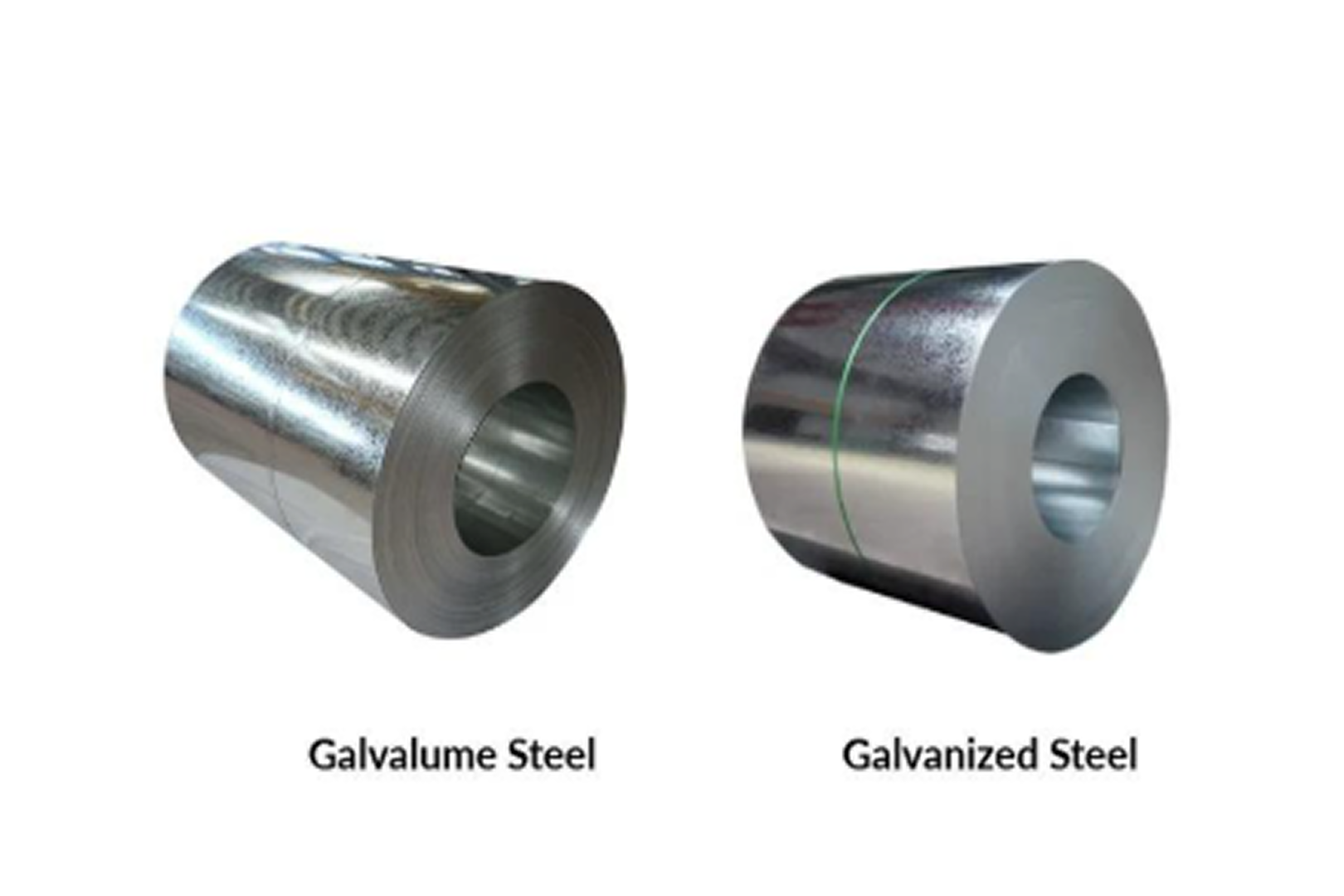
Now let’s look at the other side of the galvalume vs galvanized metal roofing comparison.
So, what is galvalume?
It is steel coated with a galvalume coating composed of aluminum, zinc, and a small amount of silicon. This combination creates a more advanced protection mechanism than traditional zinc-only coatings.
Aluminum plays a critical role here. It forms a passive barrier that resists oxidation, particularly in humid or coastal environments. Zinc continues to provide sacrificial protection where needed.
The result is a surface that tends to age more gradually. In many cases, it slows corrosion even around small scratches—often described as a “self-healing” effect in the industry.
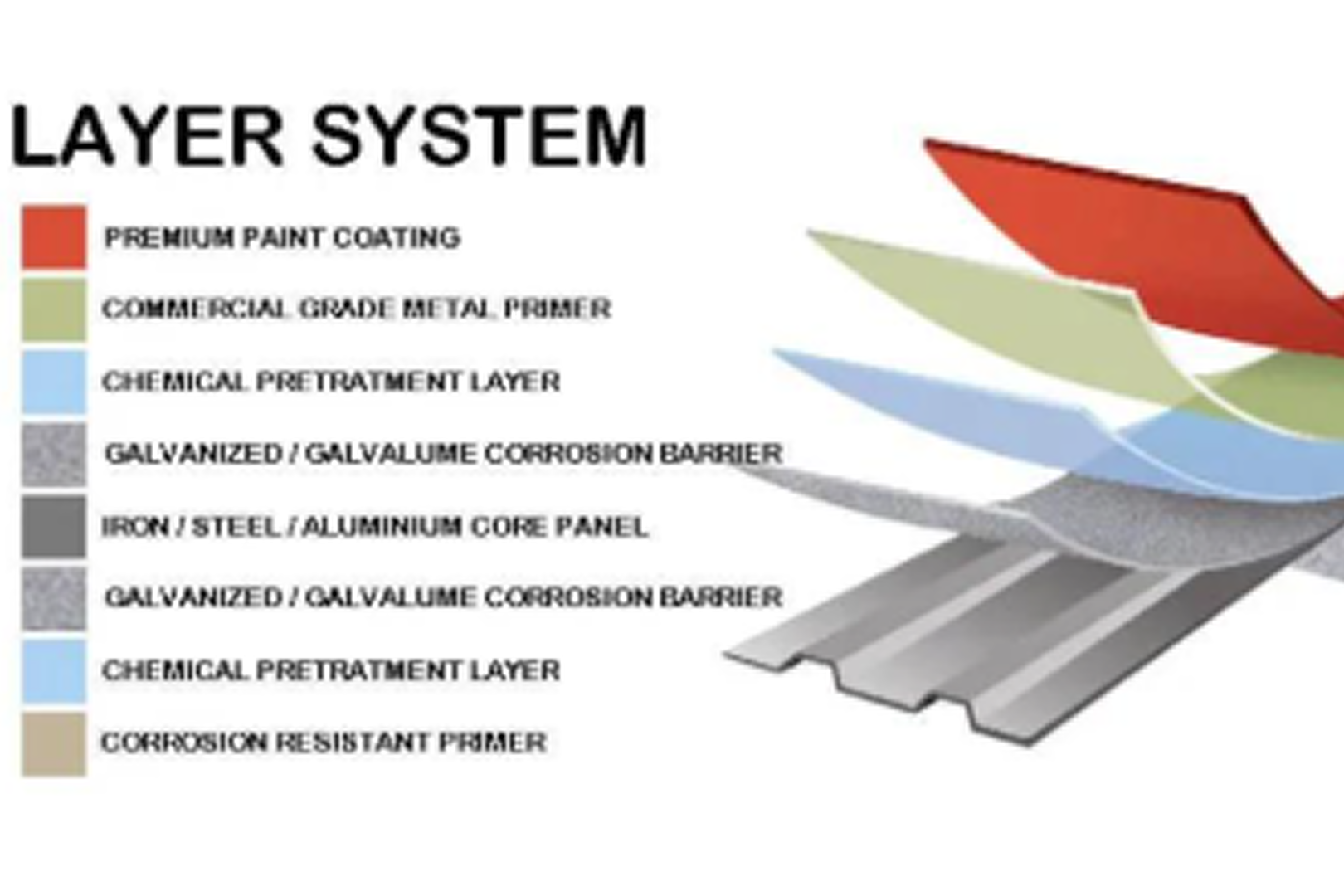
Looking at galvalume vs galvanized pros and cons in real projects reveals clearer distinctions than simple technical specs.
Galvanized steel depends entirely on zinc protection. Once that layer is compromised, corrosion can spread relatively quickly.
Galvalume behaves differently. Around exposed edges or minor surface damage, the coating helps limit the spread of rust. It does not eliminate corrosion—but it often slows it significantly.
That said, it would be overly simplistic to claim one material completely replaces the other. Certain environments still favor galvanized steel, and overlooking this can lead to costly maintenance issues later.
If durability is a priority—and in roofing, it usually is—this is where the difference becomes more evident.
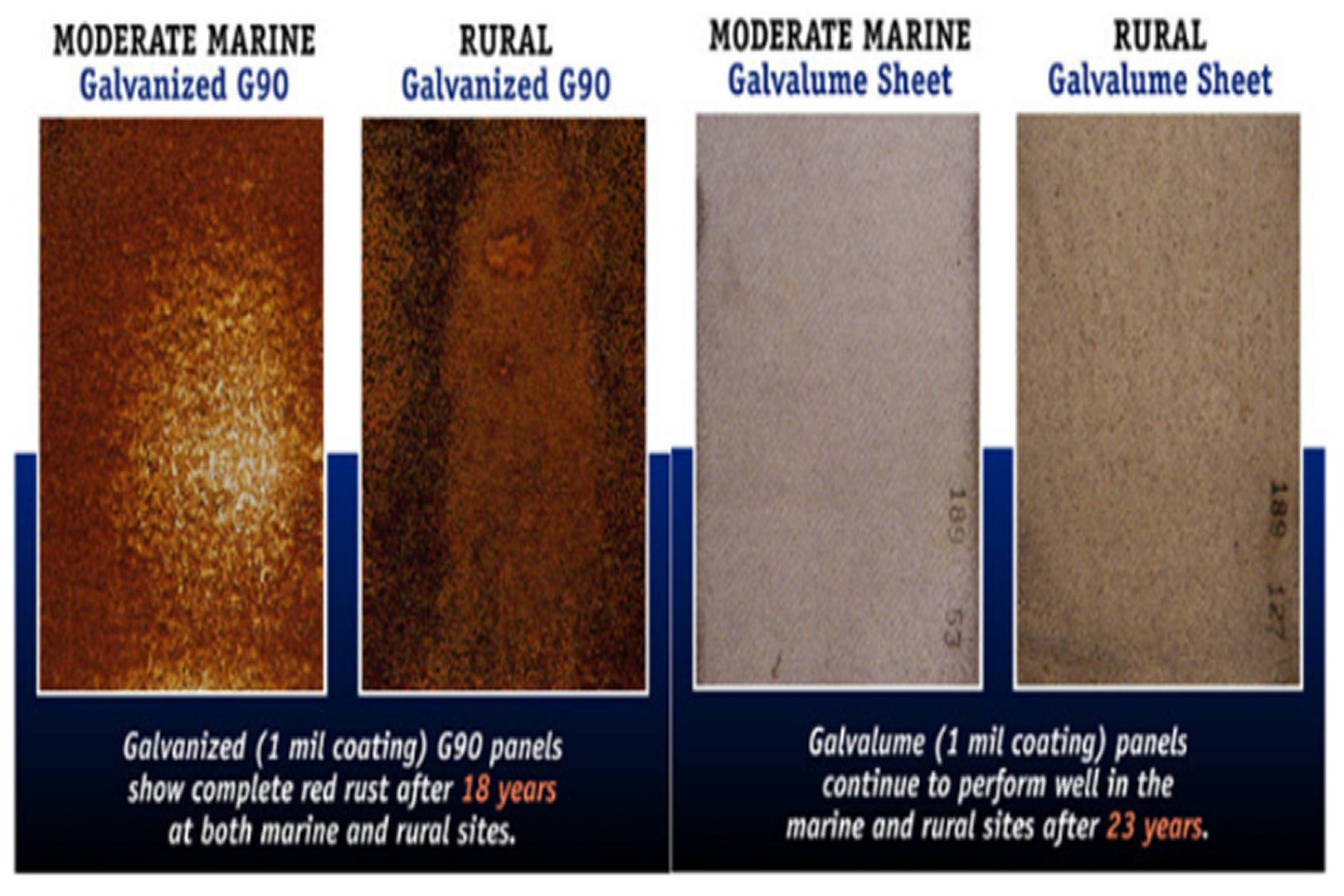
In most climates, especially humid or coastal regions, galvalume vs galvanized lifespan comparisons tend to favor galvalume. Its coating composition provides stronger long-term corrosion resistance, which directly extends metal roof lifespan.
Galvanized steel performs reliably in less aggressive environments. However, once the zinc layer deteriorates, rust tends to develop faster and spread more visibly.
So when evaluating the best metal for roofing sheets, galvalume often stands out—though not universally.
If you’re sourcing for a project or distribution, understanding these differences early can help avoid costly repairs or premature replacement.
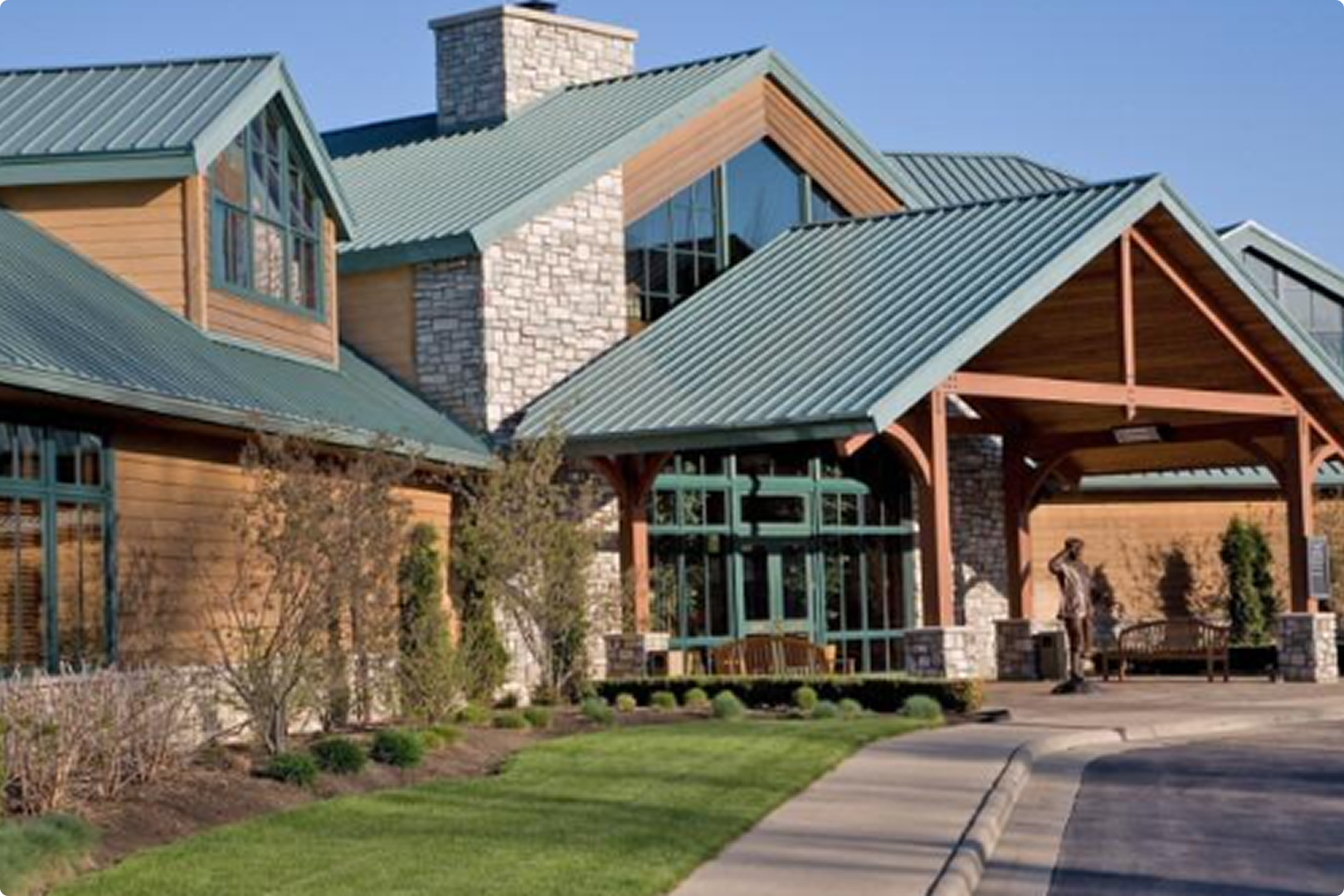
Choosing between galvanized vs galvalume roofing for different applications isn’t just a technical decision—it’s highly contextual.
Galvalume is commonly used for:
Galvanized steel remains a practical choice for:
Animal waste—especially urine—can react aggressively with aluminum components. In these environments, galvalume may corrode faster, while galvanized steel, with its heavier zinc layer, often performs more reliably.
It’s one of those details that seems minor at the beginning, but can significantly impact maintenance costs over time.
Let’s talk about cost—because it inevitably becomes part of the decision.
In most markets, galvalume vs galvanized price differences are relatively small. Both are considered cost-effective roofing steel types.
However, the galvalume vs galvanized cost comparison changes when you consider lifecycle performance. A longer lifespan and reduced maintenance can make galvalume more economical over time.
From a supply standpoint, galvalume has become more widely available. Many metal roofing sheet suppliers prioritize it due to growing demand, especially in modern construction projects.
Performance aside, appearance can also influence material selection.
Galvanized steel typically presents a brighter, shinier surface. Galvalume offers a more subtle, matte metallic finish.
During fabrication, especially roll forming, acrylic-coated galvalume panels tend to perform more smoothly. They resist fingerprints, smudging, and handling marks more effectively.
These details might seem secondary, but in large-scale installations, they can improve both efficiency and final visual consistency.
Here’s an aspect that doesn’t always get enough attention.
Galvalume can react with certain materials such as concrete, copper, or mortar. This interaction may cause galvanic corrosion, potentially shortening the roof’s service life.
When selecting metal roofing materials, it’s important to consider the entire system—not just the panels themselves.
Galvanized steel generally offers more flexibility in mixed-material environments, making it a safer option in some construction scenarios.
So—which is better: galvalume vs galvanized steel?
Galvalume is often the preferred option. If your project involves:
Galvanized steel may be the more practical choice.
In reality, there is no one-size-fits-all answer. The right material depends on how and where it will be used—and how long you expect it to perform.
If you’re still comparing galvalume vs galvanized steel for your project, discussing your requirements with experienced suppliers can often help clarify technical options—and sometimes prevent cost adjustments that only become visible later in production or installation.
In practice, supplier capabilities don’t always look the same on paper. Differences often show up in areas such as:
Working with an experienced manufacturer or metal roofing sheet supplier can contribute to:
That said, not every project requires the same level of supplier involvement. For standard applications, multiple suppliers may offer similar results. For more specific or demanding environments, the gap tends to become more noticeable.
For projects with defined technical or environmental requirements, comparing quotes—and more importantly, technical feedback—from multiple qualified suppliers can often lead to a more reliable decision.

It depends on the application. Galvalume offers better corrosion resistance and longer lifespan in most environments, while galvanized steel performs better in livestock or ammonia-exposed conditions.
No. Strength is achieved through strain hardening rather than heat treatment.
Yes. It provides excellent weldability for structural fabrication.
Yes, it is commonly applied in tanks and pressure equipment.
Yes. It provides higher strength compared with most non-heat-treated aluminum alloys.
Yes. Thickness, width and temper can be adjusted based on project demand.
Get a fast, accurate quotation within 24 hours and secure reliable material supply for your next project.
Say something to start a live chat!